English at Firthmoor Primary School
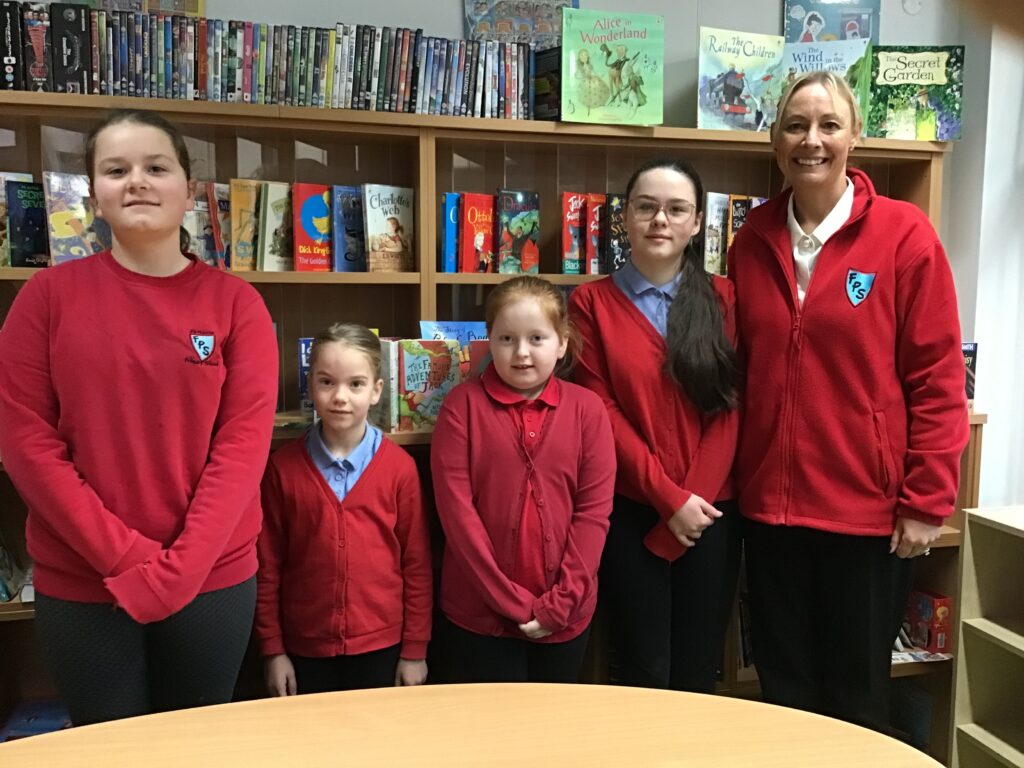
Firthmoor’s Curriculum Team for Reading
Mrs Gibson (Y6 Teacher)
Emma-Marie (Y2)
Joanie (Y3)
Olivia (Y4)
Elizabeth (Y5)
Lyler (Y6)
Reading Curriculum
Reading Intent
Reading is at the heart of our curriculum. Our aim at Firthmoor Primary School is to provide all children with good quality texts and literature, in order to develop their reading fluency and comprehension skills. They will then be able to apply these skills across the wider curriculum. We aim to provide our children with opportunitites to become confident, competent and fluent, independent readers and develop a life-long love of reading.
Implementation
EYFS (Nursery – Reception)
At Firthmoor Primary School, we teach phonics through Little Wandle Letters & Sounds. This is a detailed systematic programme for teaching phonics skills through five phases.
Daily phonics lessons are carried out in Early Years and KS1 and are fundamental for children to be able to decode by segmenting and blending as they learn to read. Assessments are carried out every 6 weeks to inform teachers of children’s progress. Catch up sessions are delivered on a daily basis for those children who require additional support.
Little Wandle Parent page can be accessed via this link. https://www.littlewandle.org.uk/resources/for-parents/
Progression of Little Wandle Letter & Sounds:
| Phase 1 – Nursery Sound awareness |
| Phase 2, 3, 4 – Reception Grapheme-phoneme correspondence, blending & segmenting |
| Phase 5 – Year 1 Alternative graphemes, prefixes & suffixes |
| Year 2 Bridge to Spelling & Reading Fluency |
As the children start school in Reception, parents are invited to a phonics information meeting at which the acquisition of early skills is explained. Staff model how parents might support their child to develop skills of book handling, sequencing and prediction through a story without words. To support parents’ knowledge of the teaching of phonics, staff model blending and segmenting using crisp, clear letter sounds. Parents are made aware of the importance of the phonic journey for their child.
Once children are confident with the first set of phonemes and are able to blend, they are issued a decodable book for home reading. The teacher chooses the reading books for children and carefully ensures they match their phonic ability.
In addition to the above, children in Reception follow the Ruth Miskin – Talk Through Stories Program which helps children to develop their vocabulary and comprehension.
Key Stage One (Y1-Y2)
At the end of Y1, children are expected to be secure in Phase 5 of Little Wandle Letters & Sounds. The National Phonics Screening Check is also completed by all children in Y1 in the Summer Term. This comprises of 40 real and nonsense words which are matched to the phonics children will have learned throughout EYFS and Y1.
Those children who fail to reach the expected standard in Y1 are provided with additional support in Y2.
In Y2, the phonic teaching focuses on revising Phase 5 Review Little Wandle Letters & Sounds in the Autumn Term before moving to Y2 Bridge to Spelling, followed by the Spelling Units.
By the end of Y2, we expect children to be secure with all phases of Little Wandle Letters & Sounds and become fluent, free readers. Once children have completed phase 5 books, children move on to the Fluency Program. This comprises of a mix of fiction and non-fiction books. The books progress from fluency 1 to fluency 10 where children are expected to read at an average of 60wpm to 120wpm at fluency 10. Children will continue reading books within the fluency program as they progress into Key Stage 2.
Key Stage 2 (Y3-Y6)
Children at the beginning of KS2 continue with the Little Wandle Fluency Program or Catch Up sessions.
Children in KS2 have access to high quality reading books in their class library as well as being given the chance to borrow books from the school library 3 days per week. This is run by Mrs Jones and the Reading Team.
A range of non-fiction material to support learning in the wider curriculum is available and ordered from Durham Learning Resources if and when required. Home school reading records are issued to children in which they record each book read with a brief book review. Parents and school staff add comments to develop pupils’ reading responses and widen their reading choices.
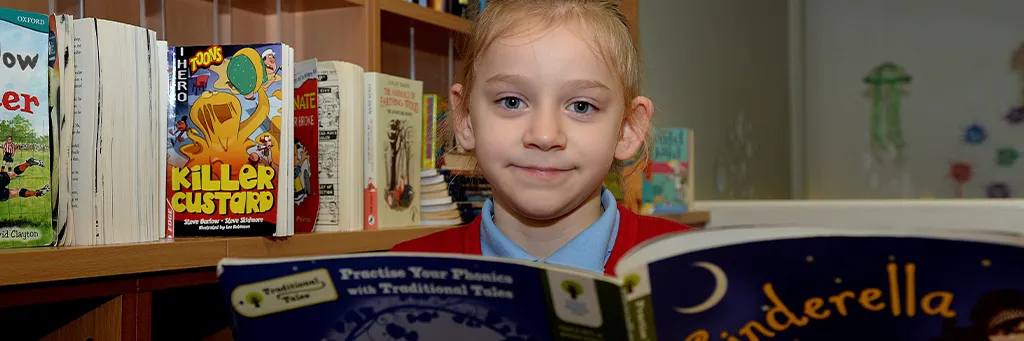
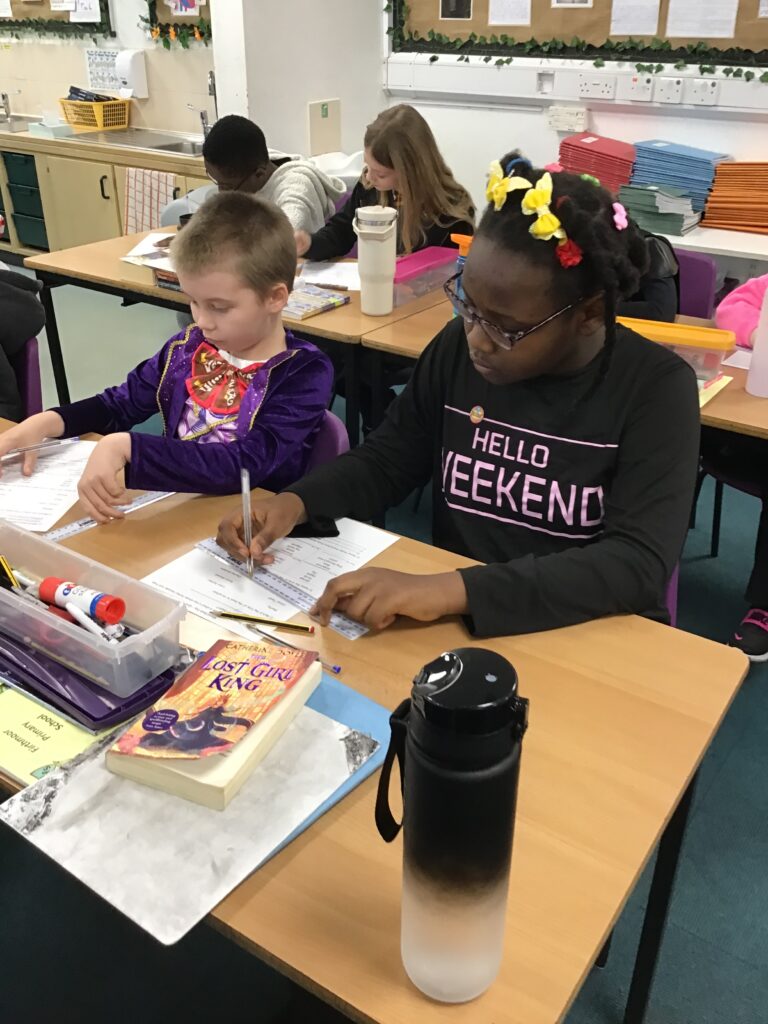
Reading in Action
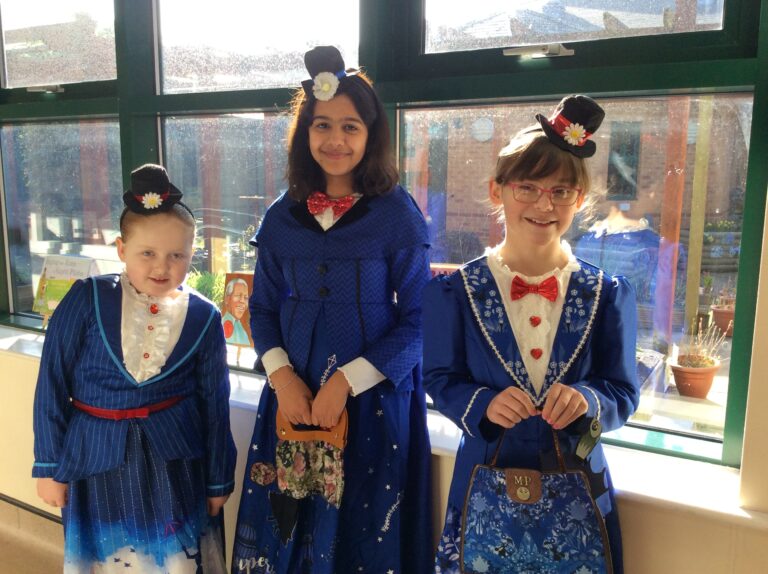
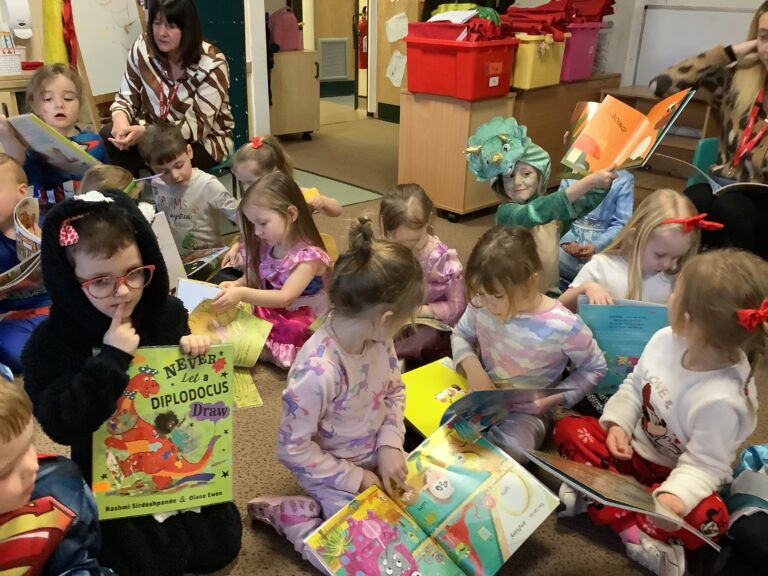
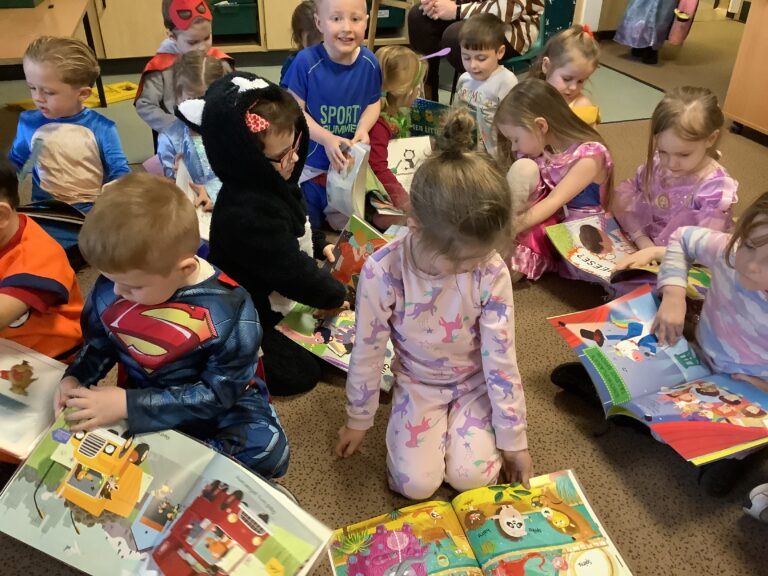
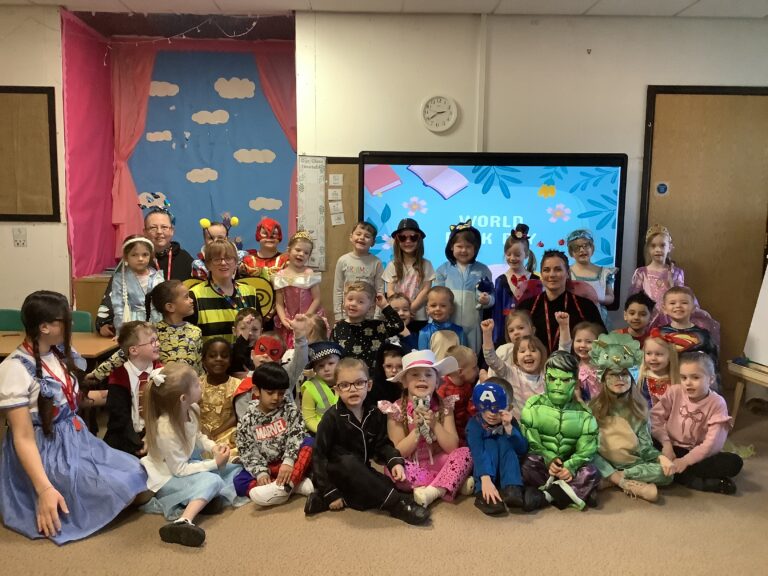
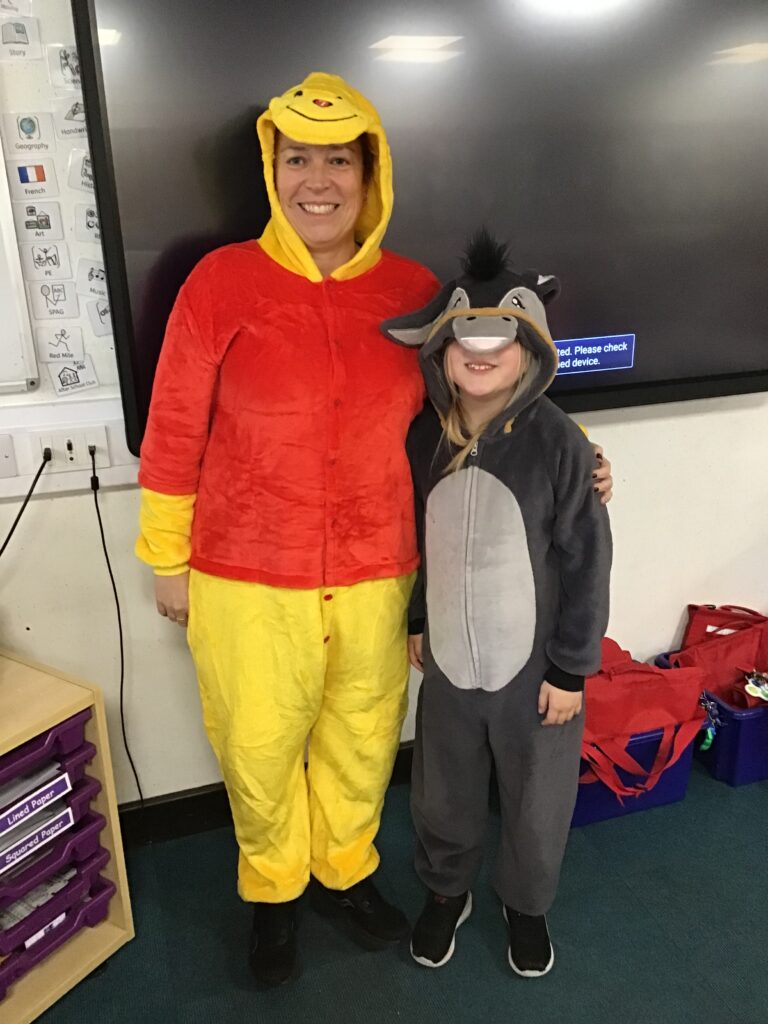
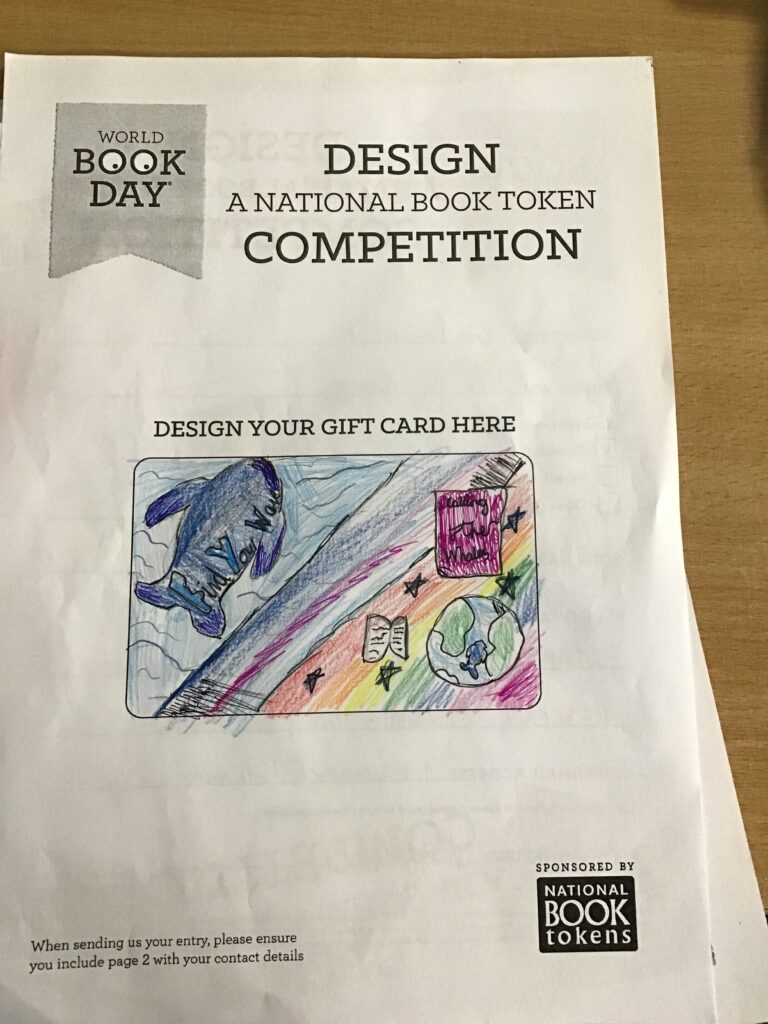
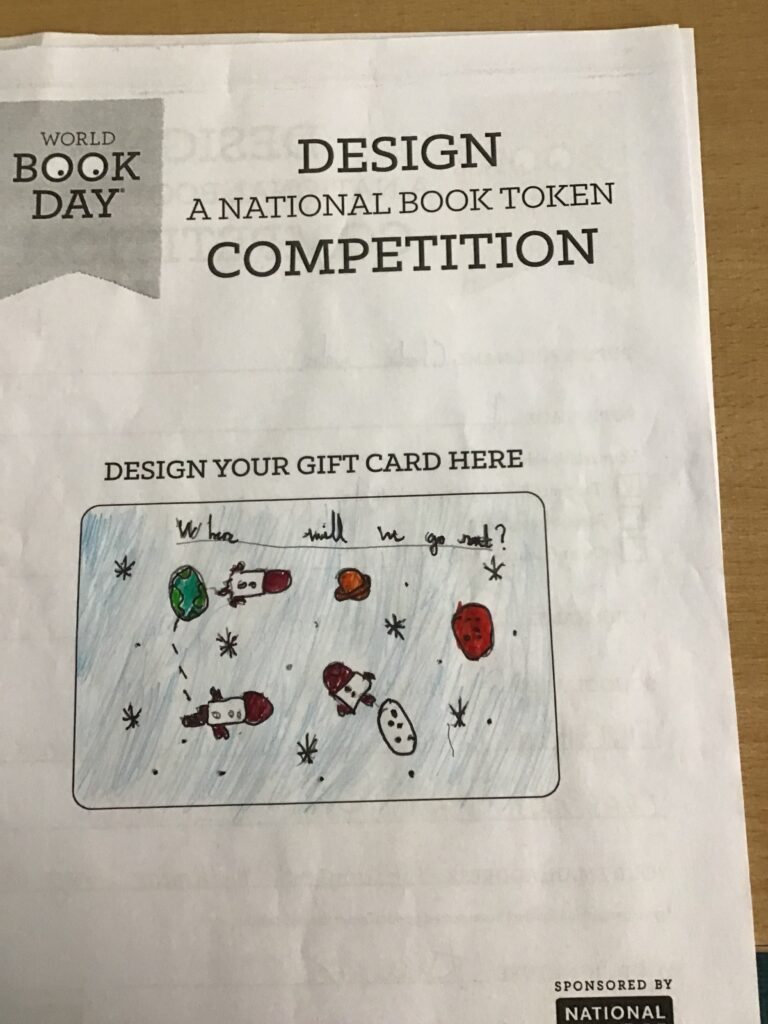
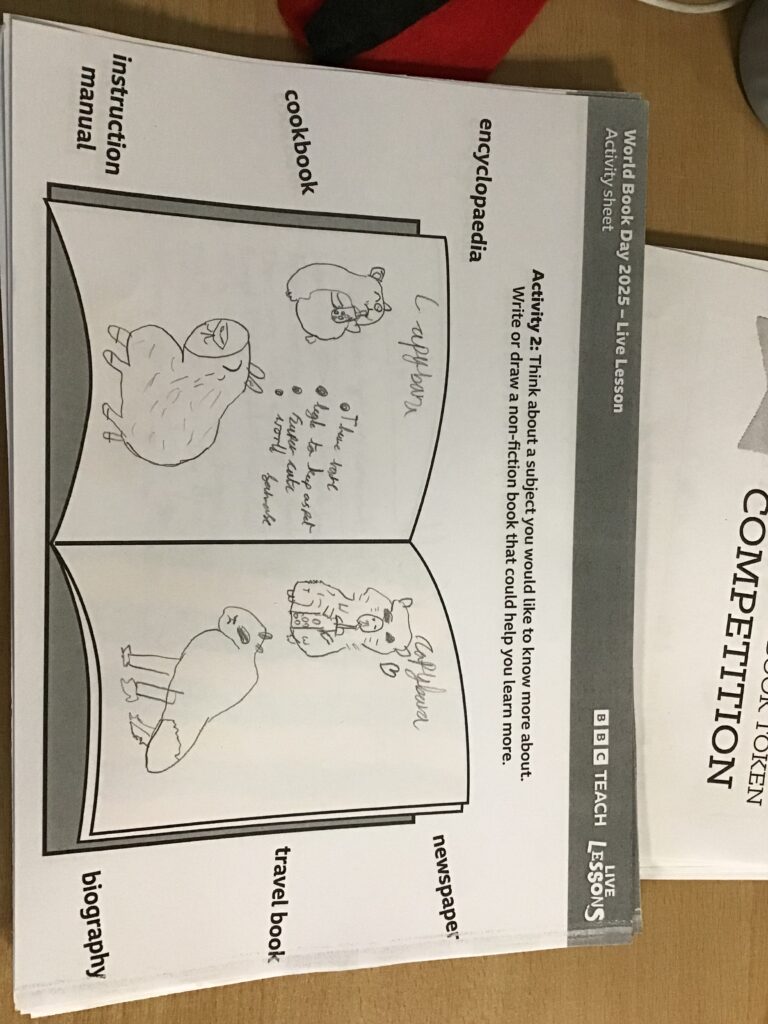
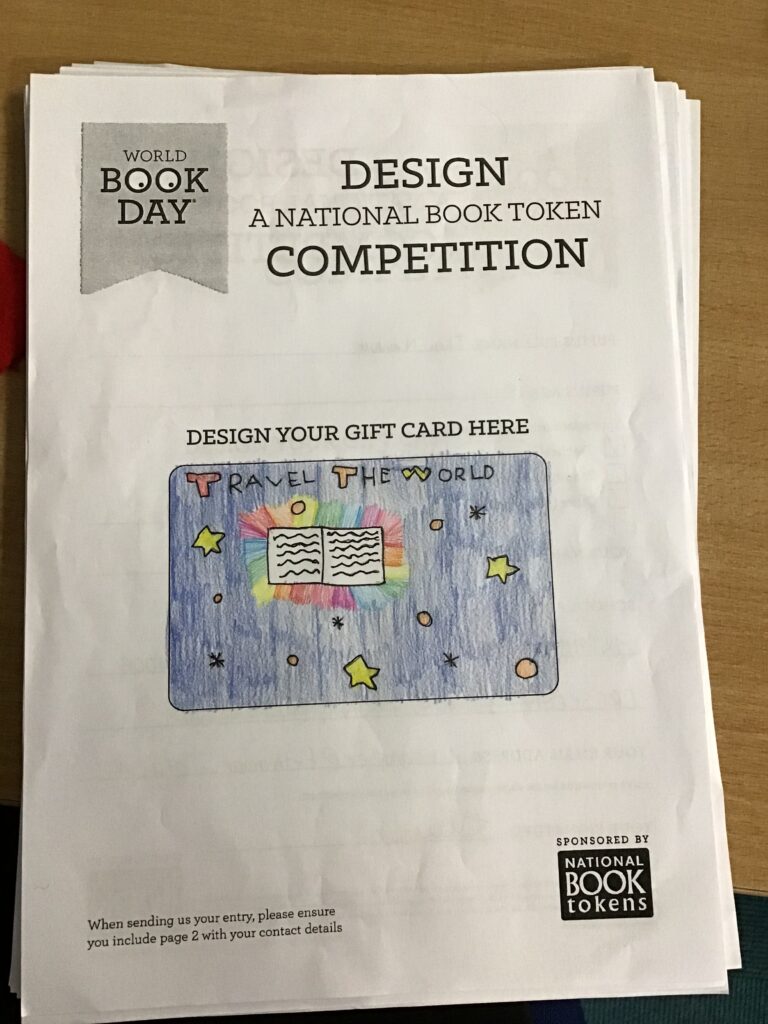
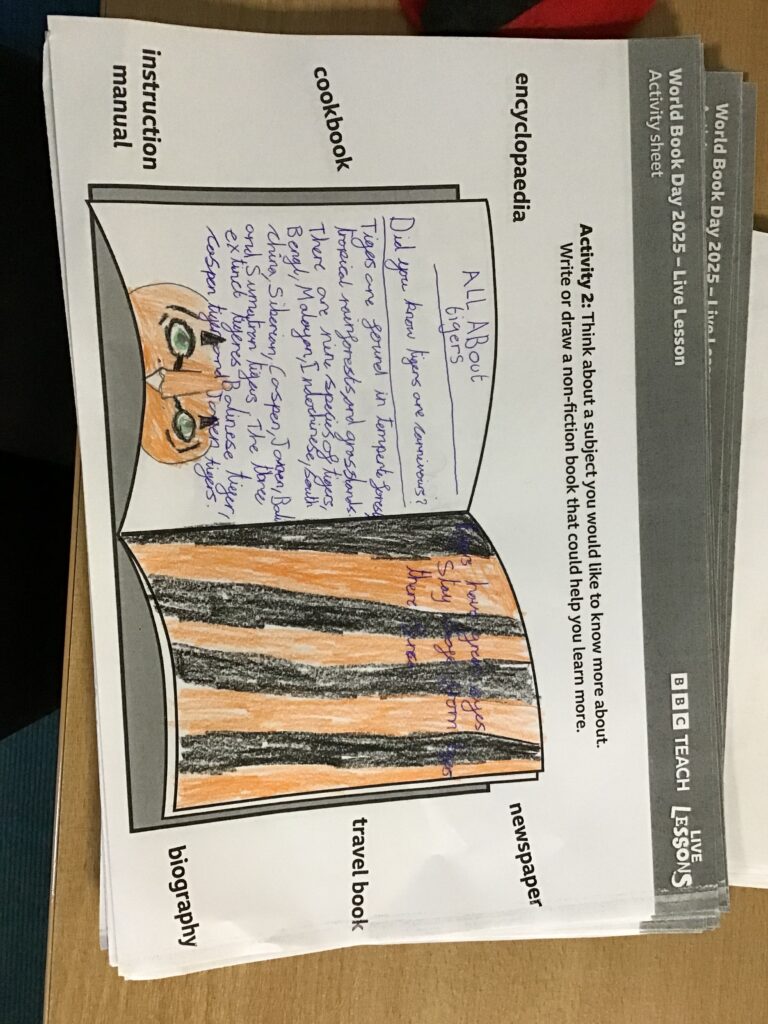
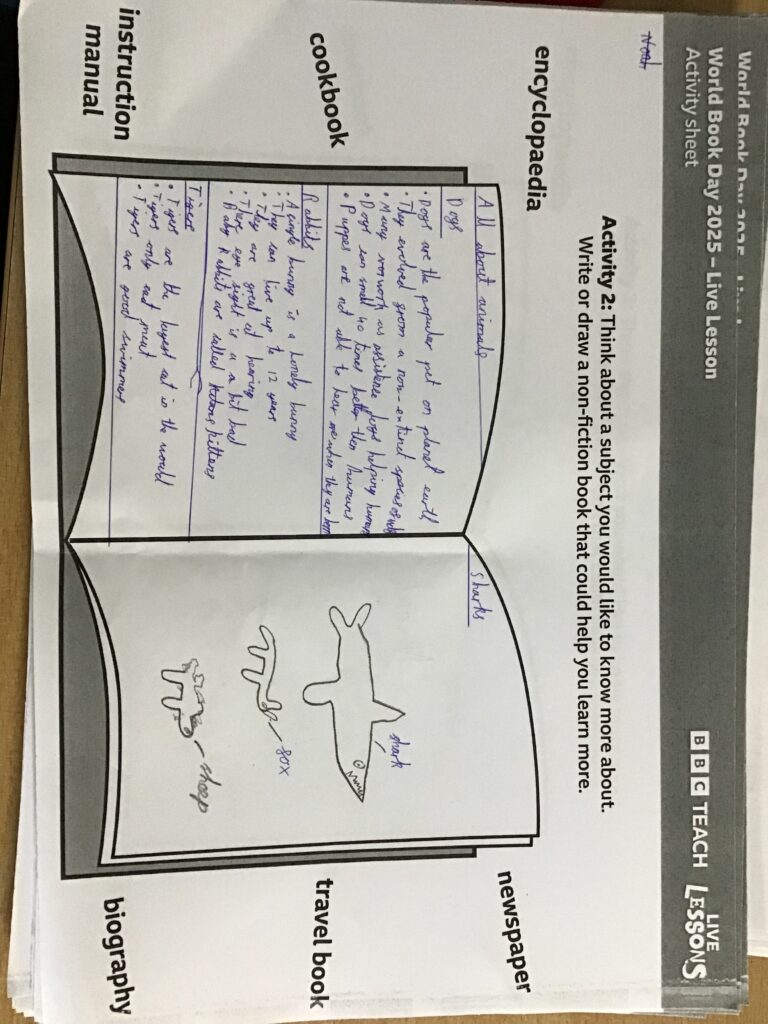
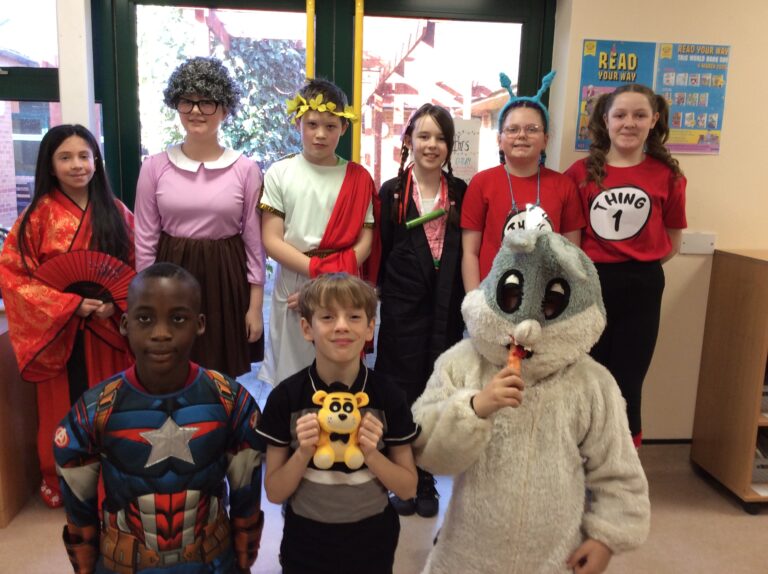
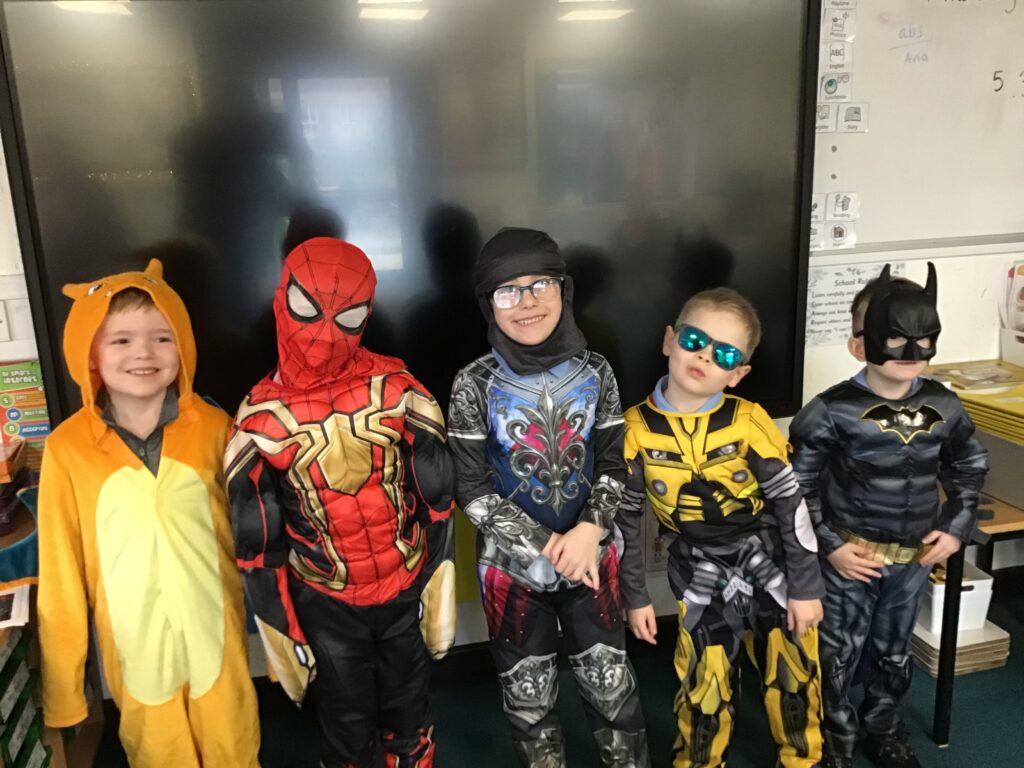
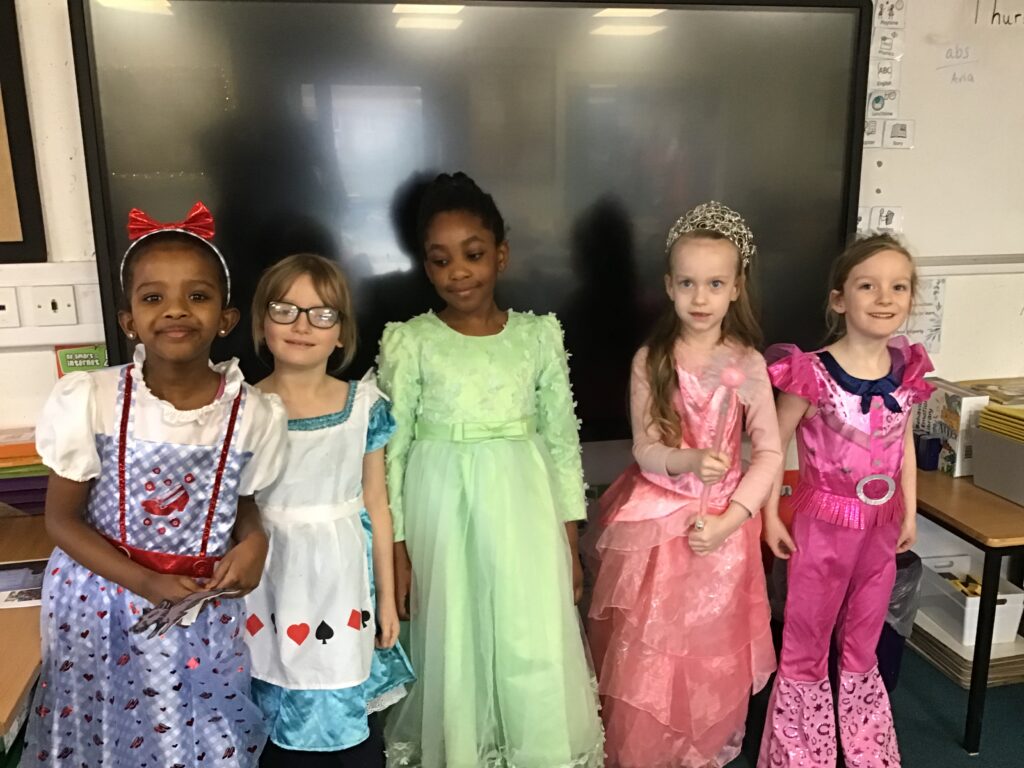
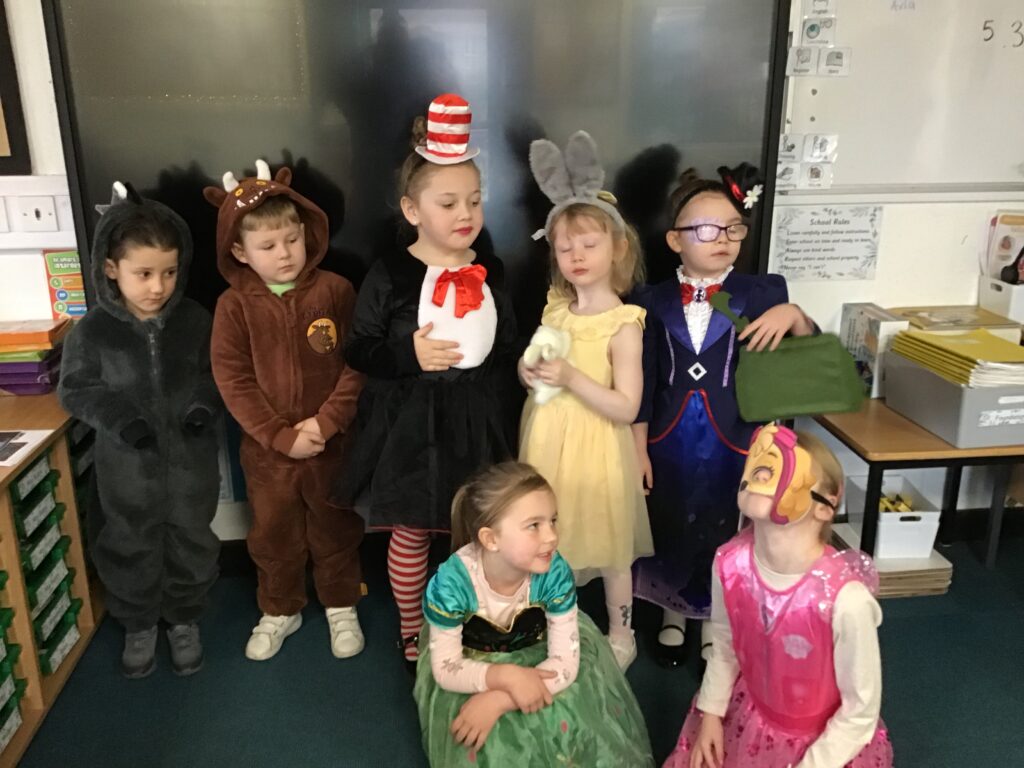
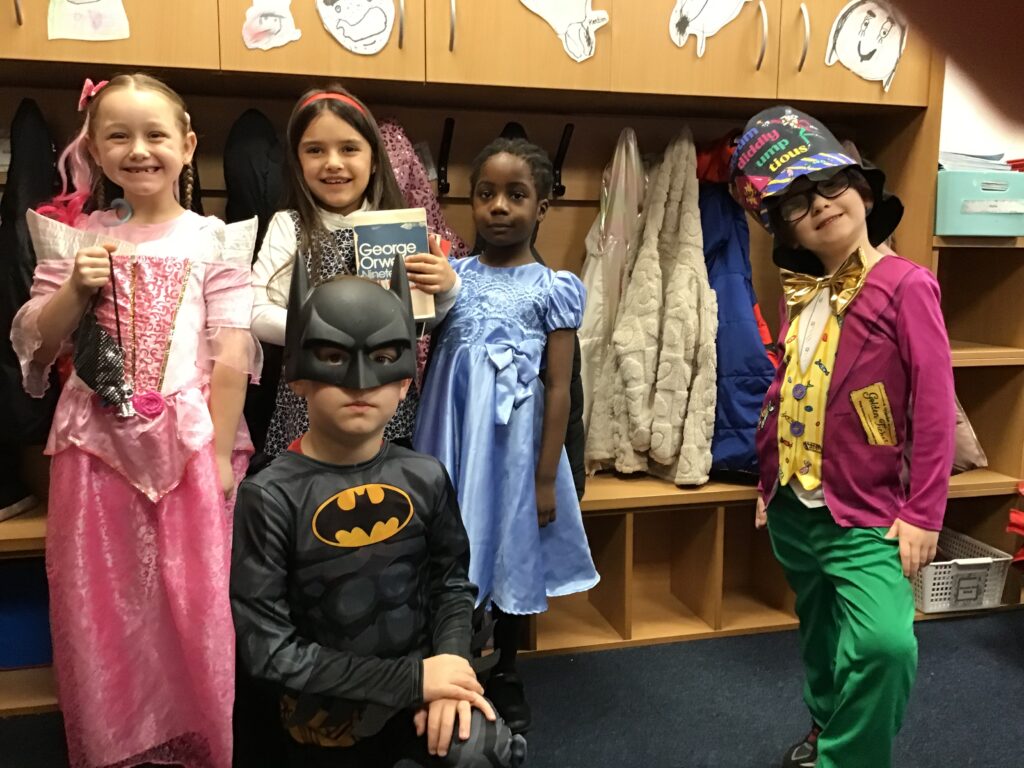
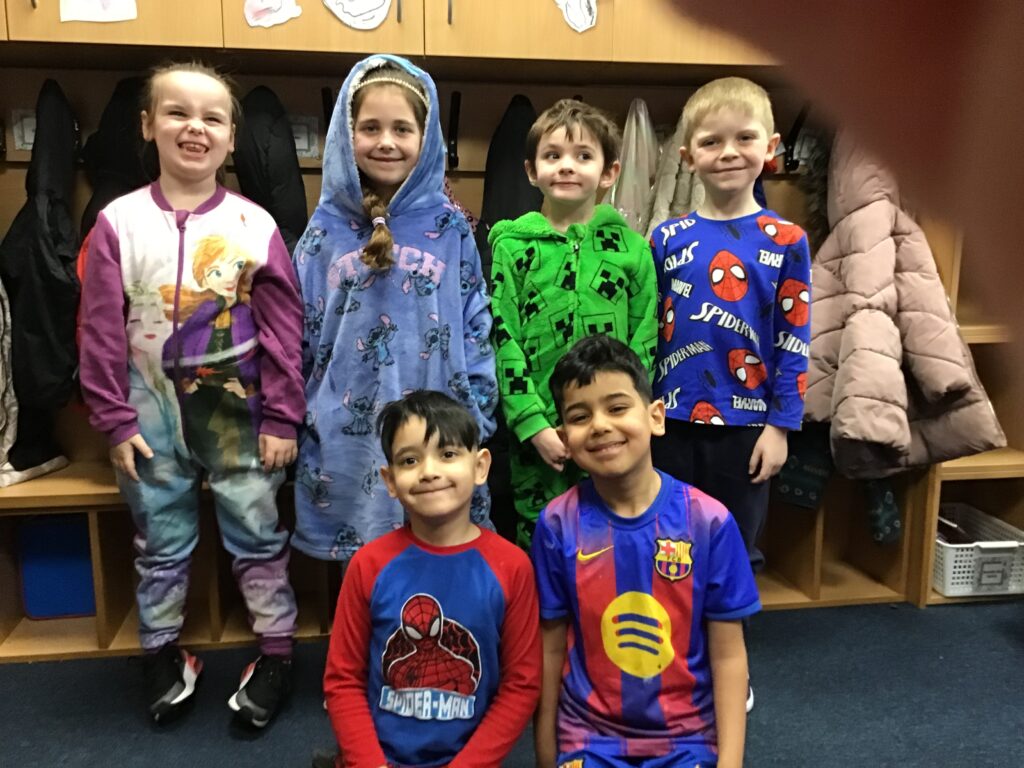
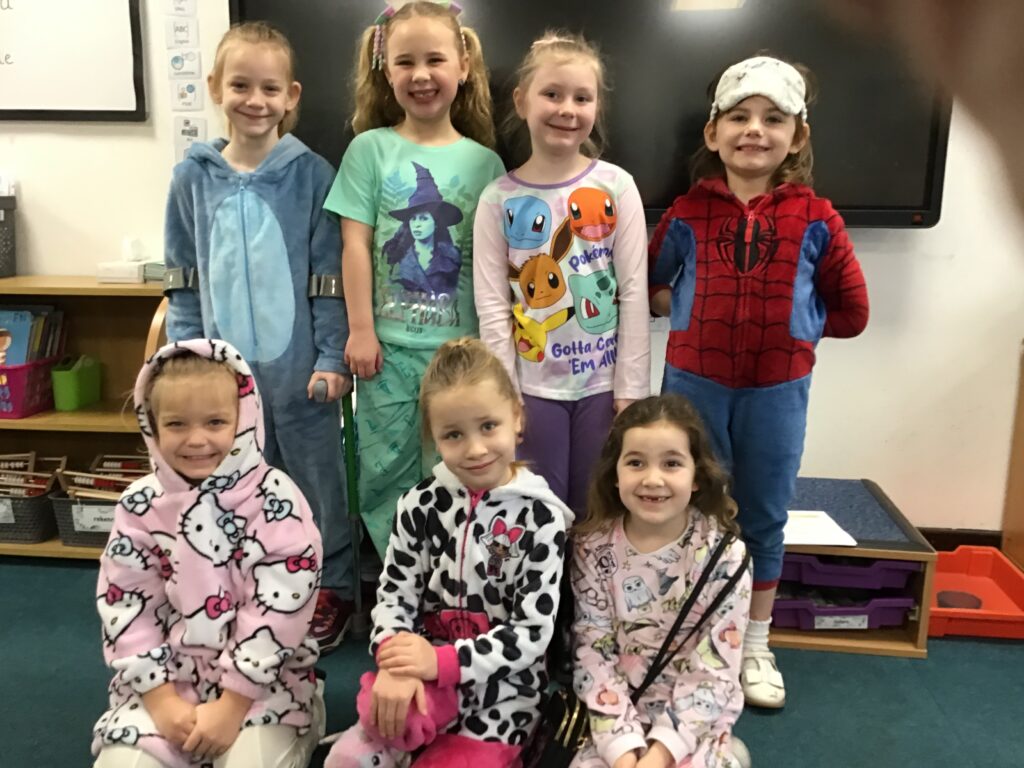
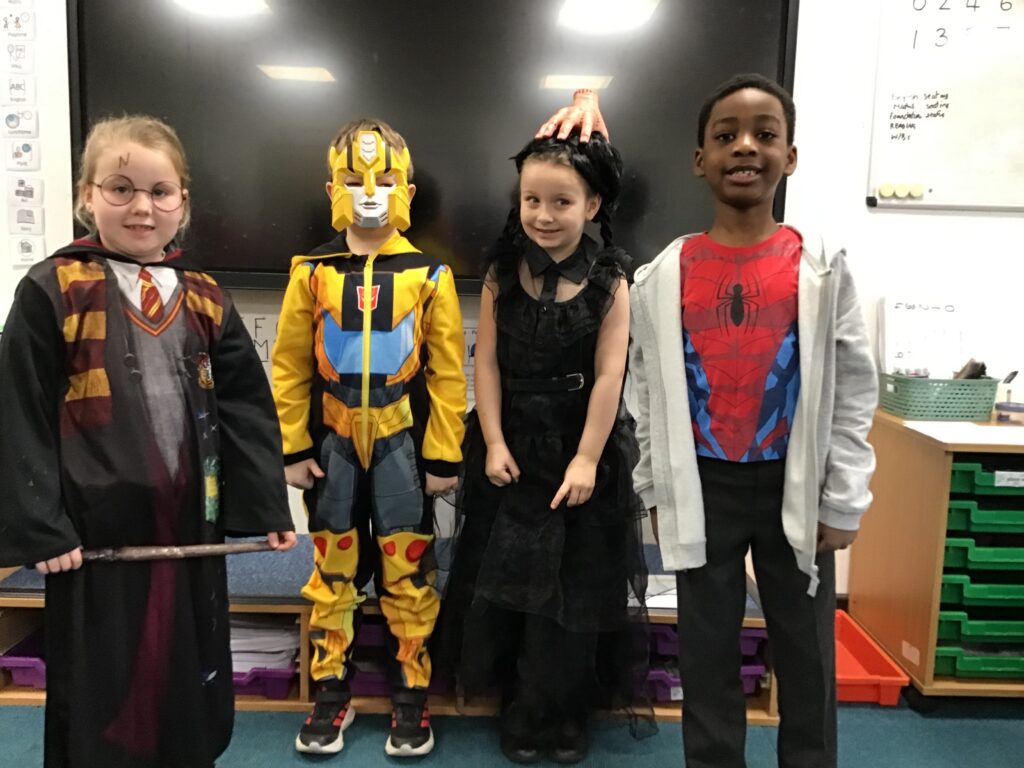
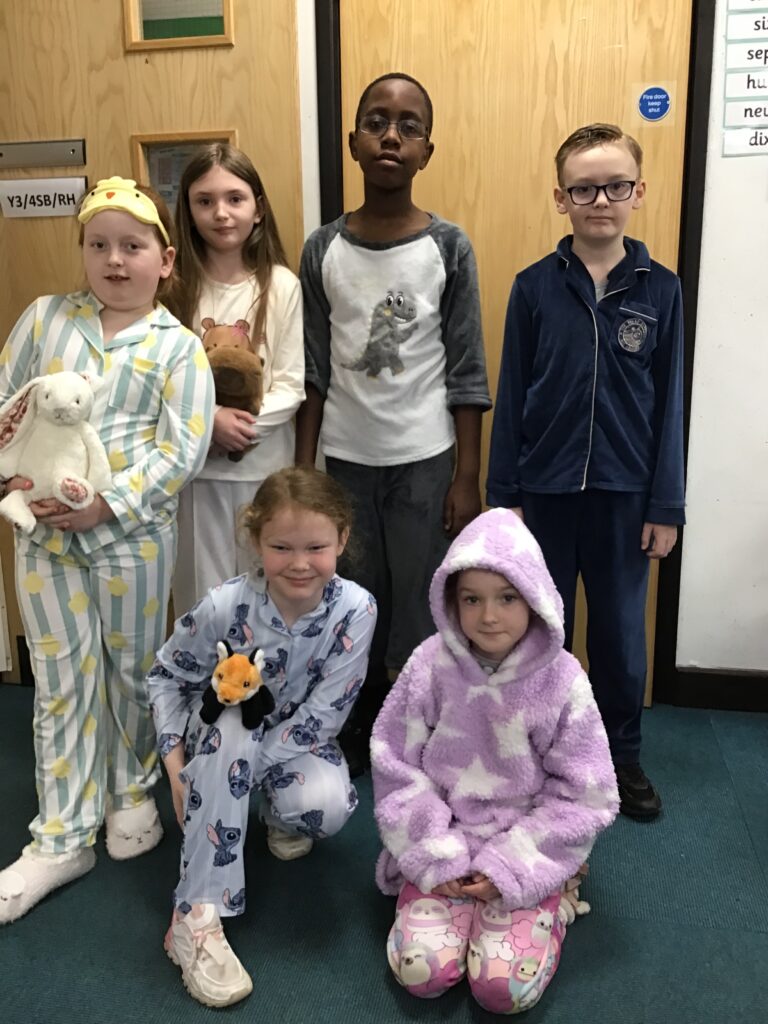
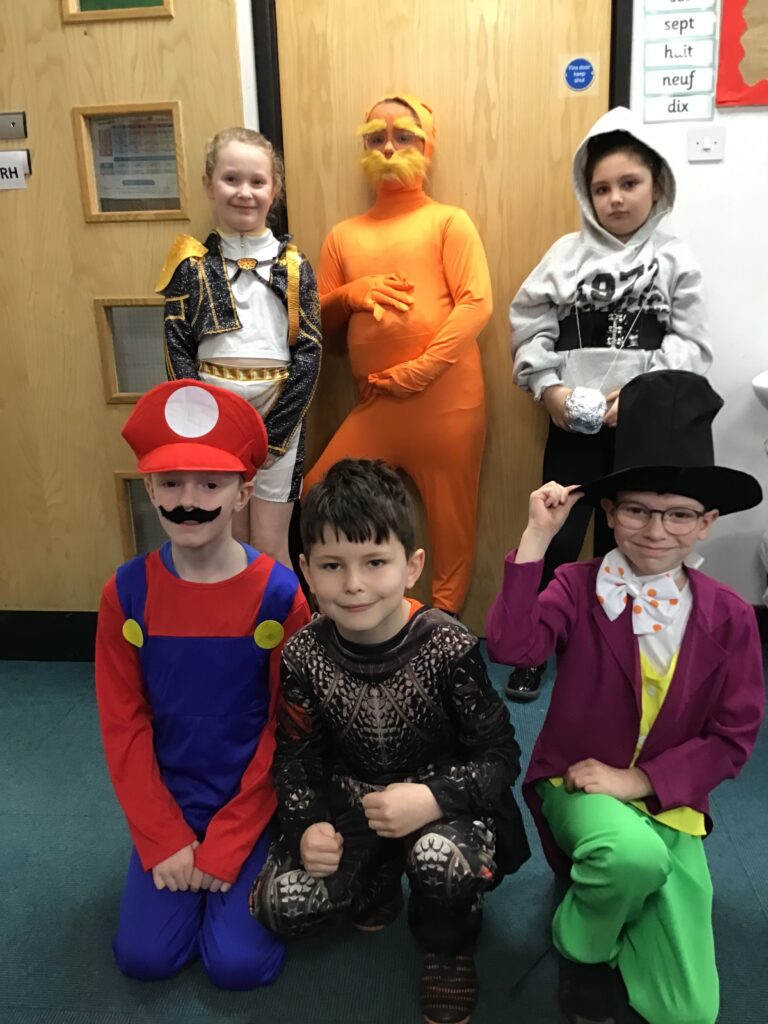
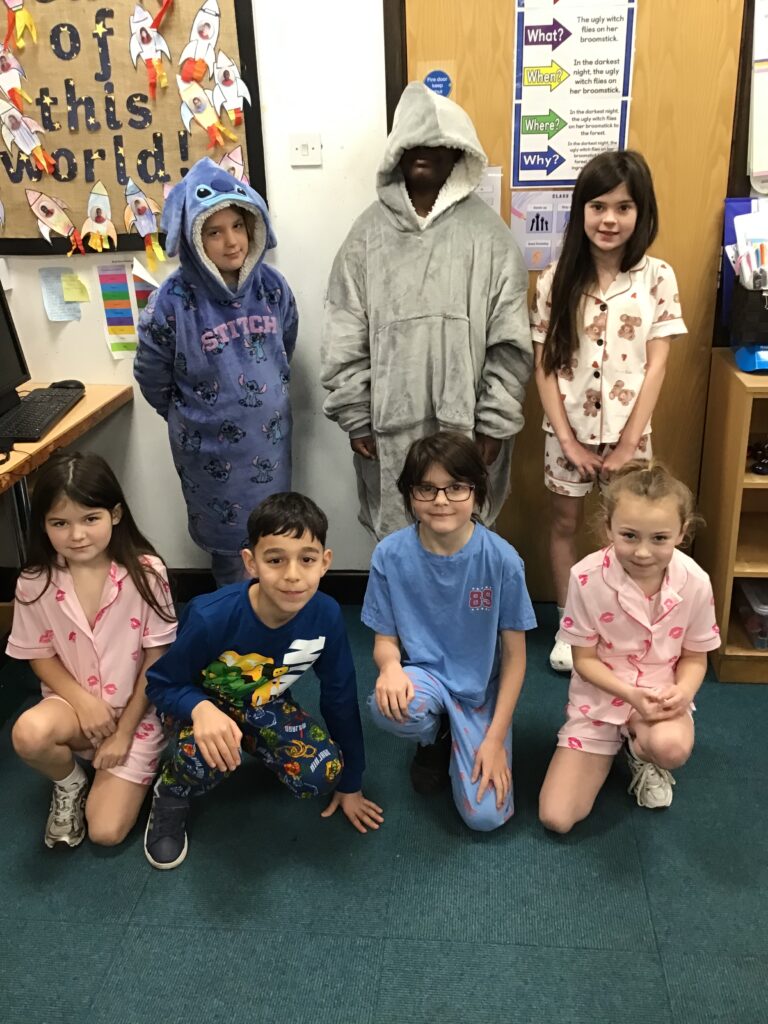
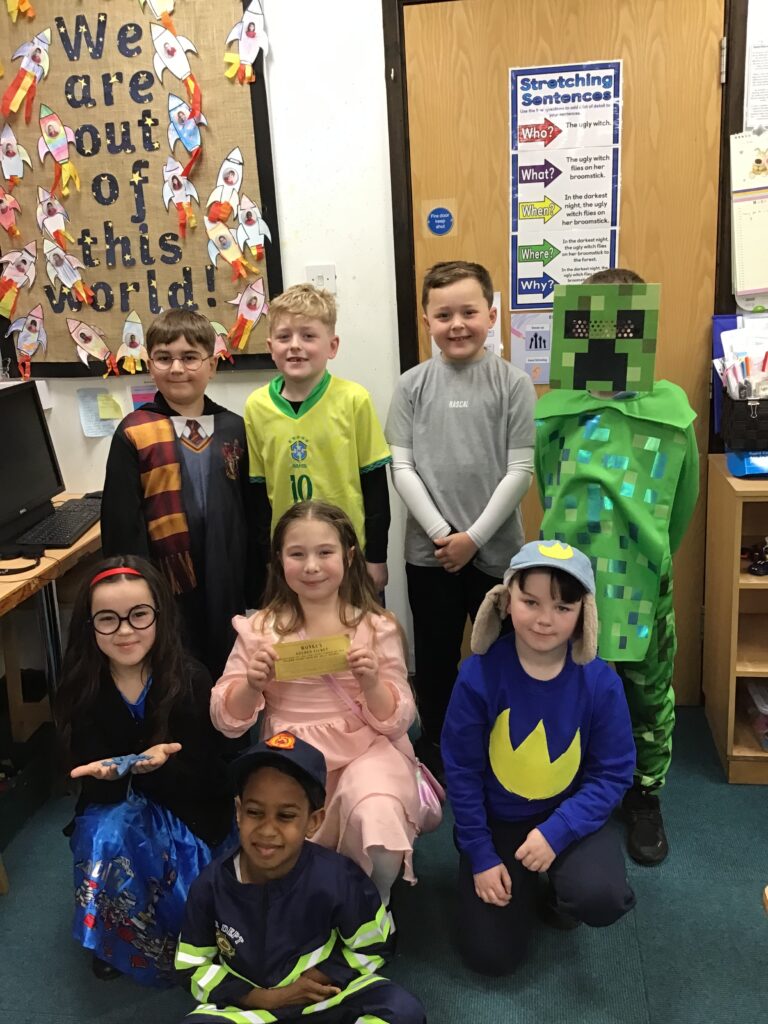
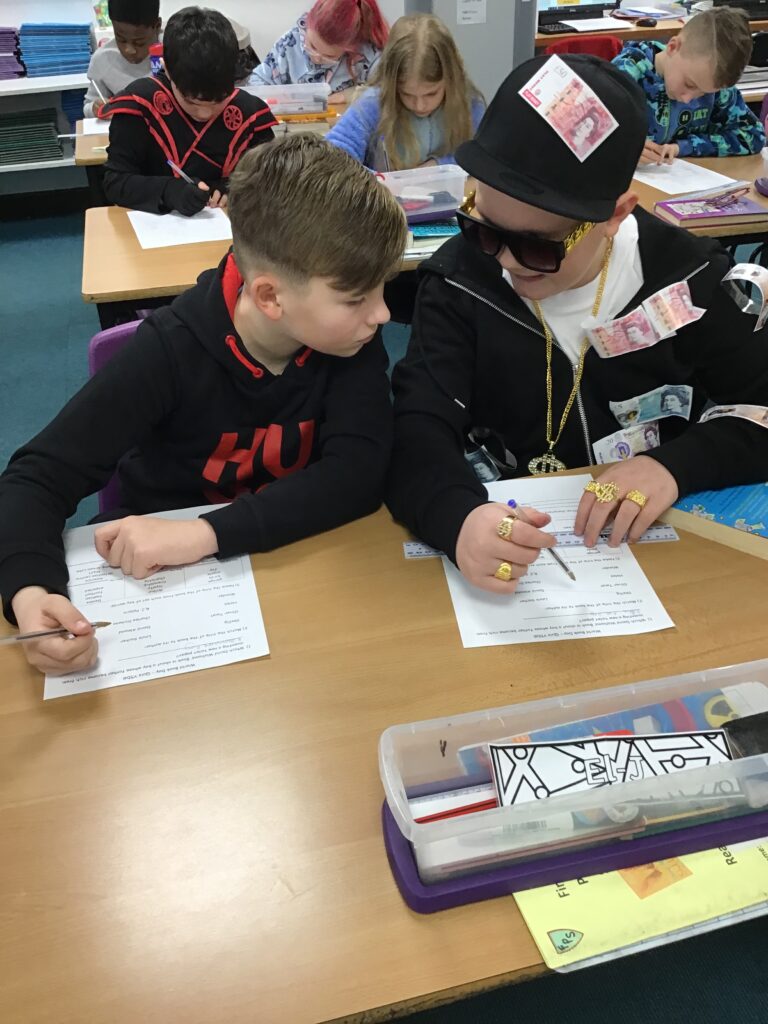
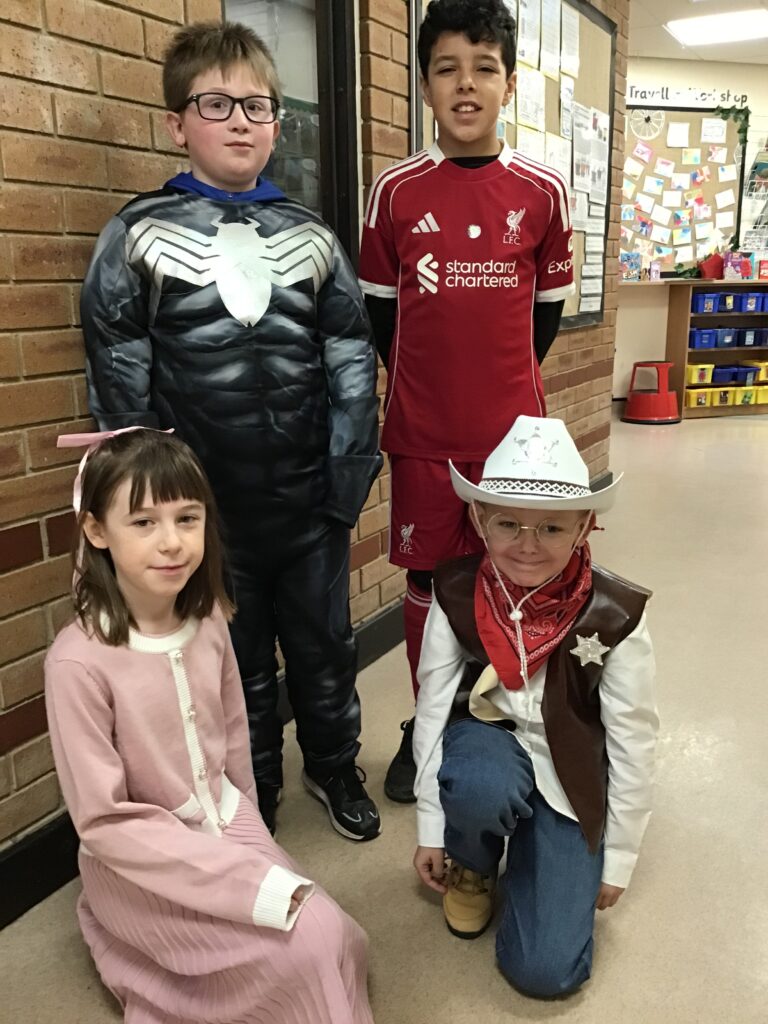
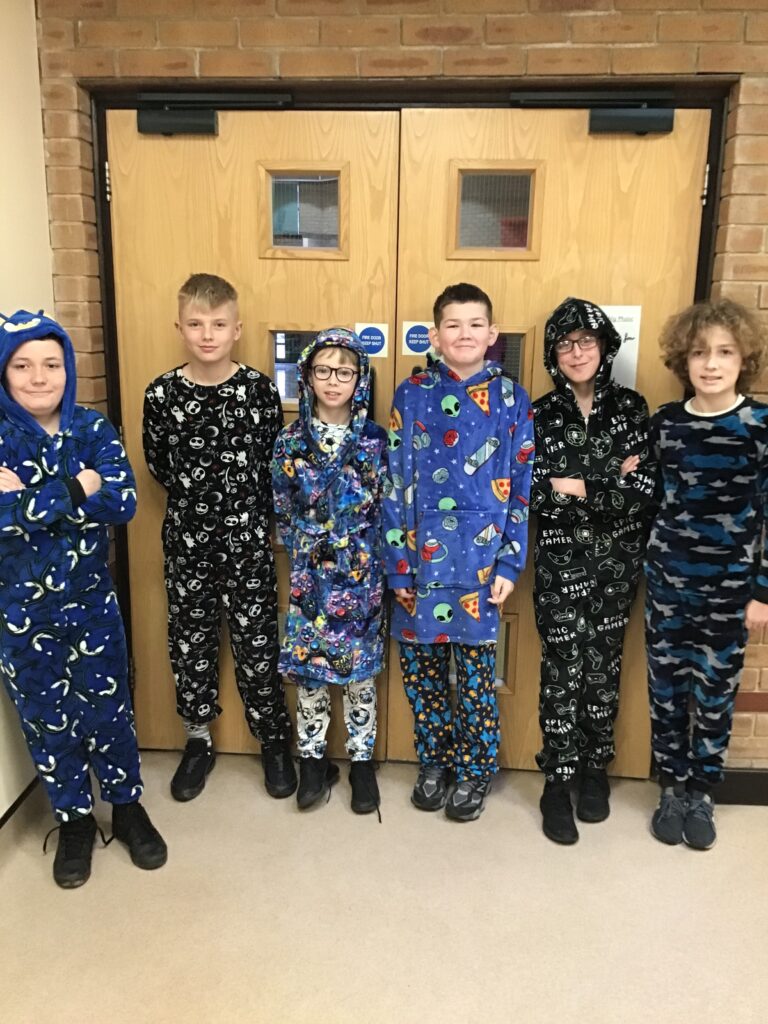
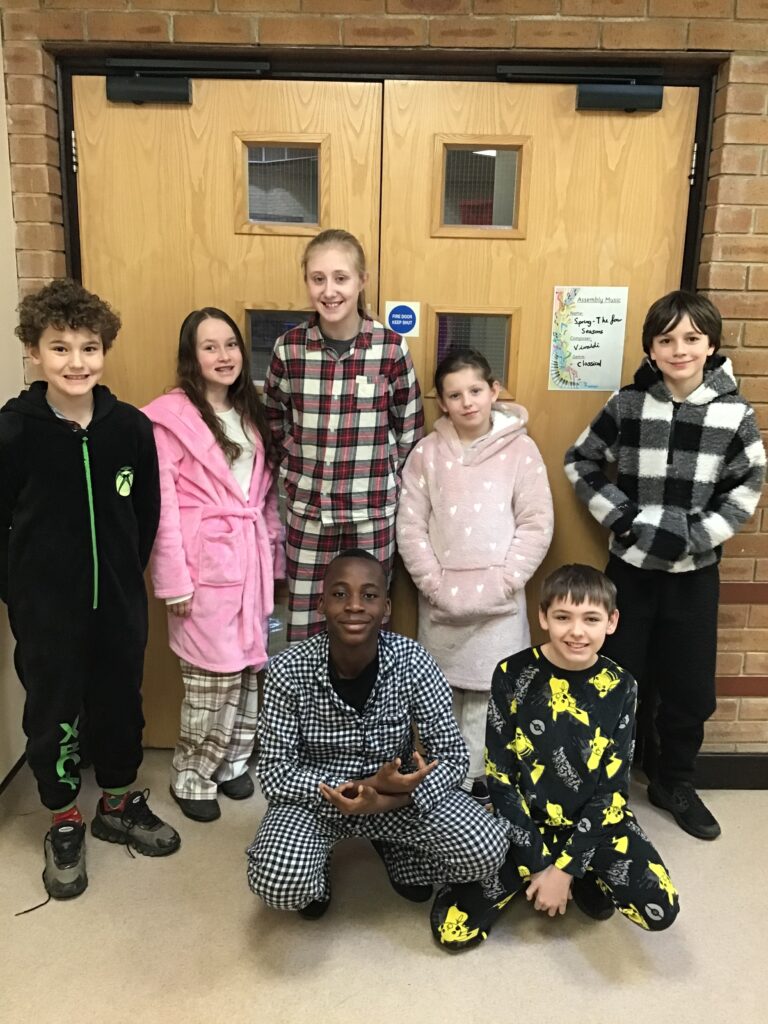
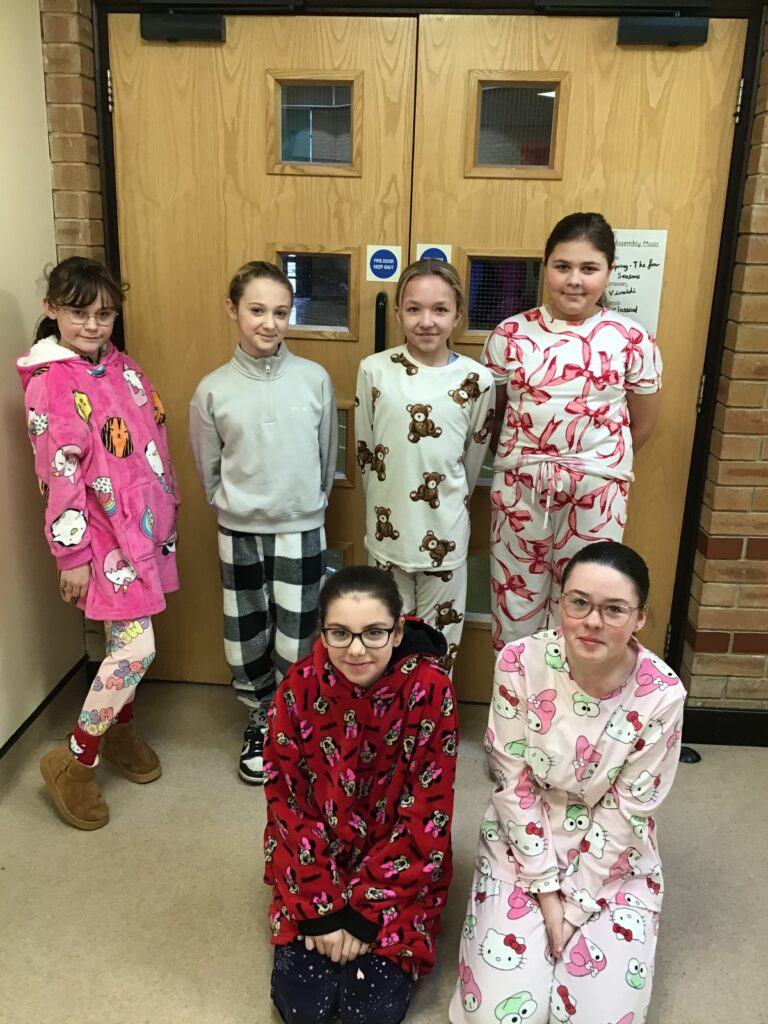
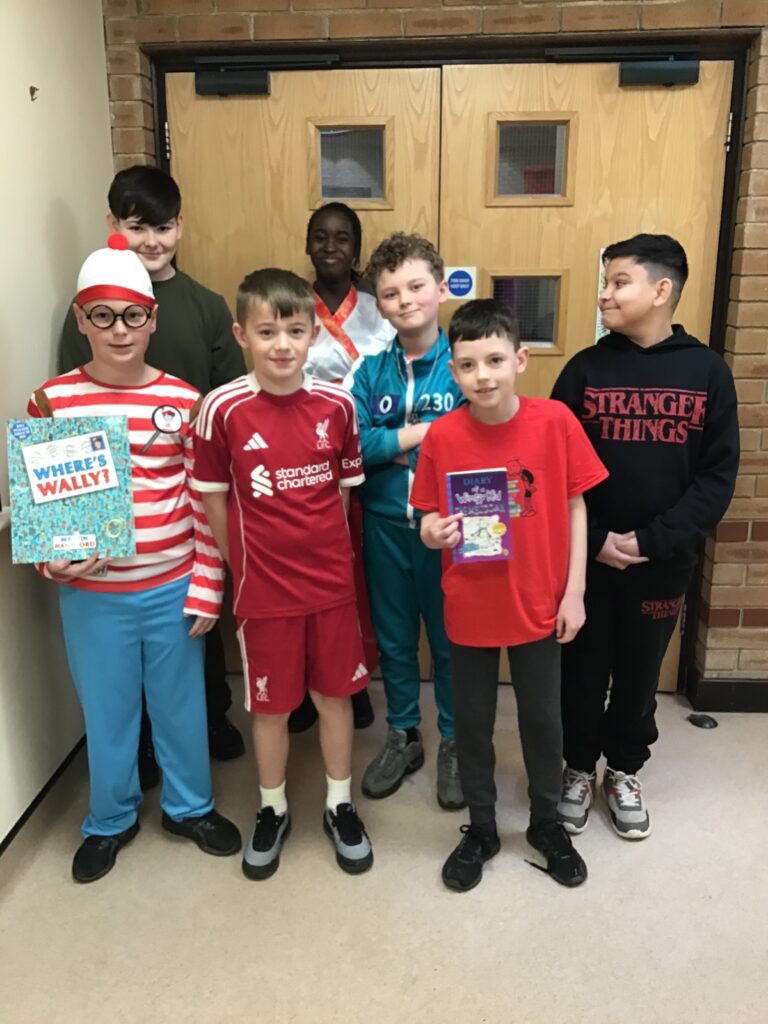
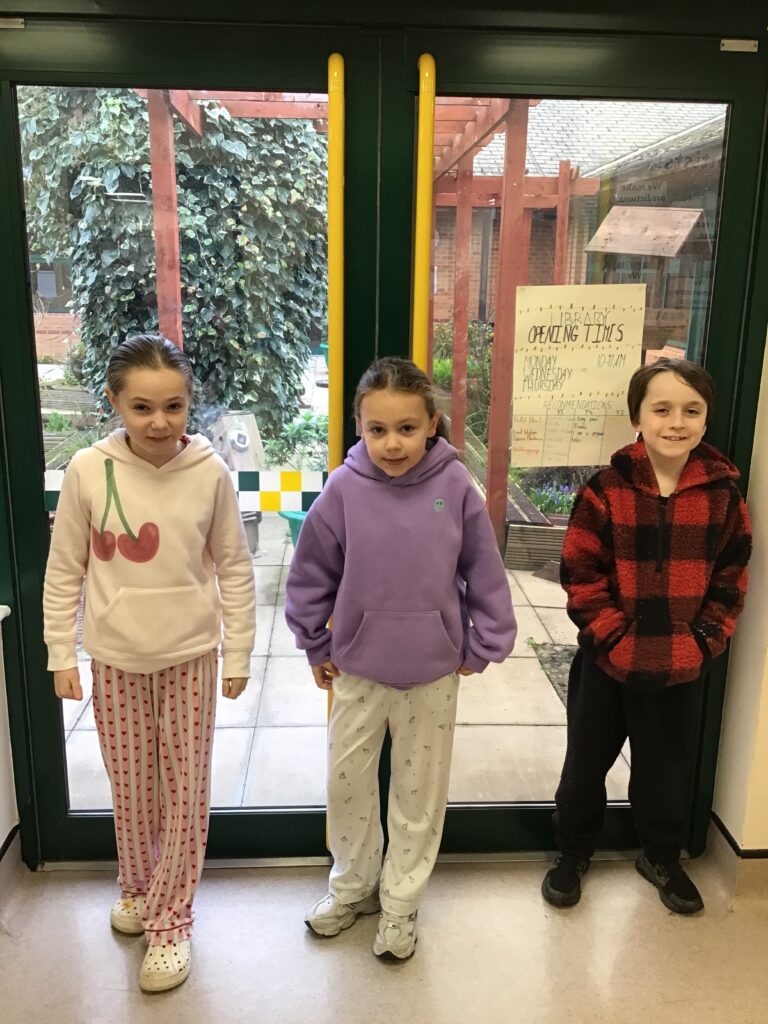
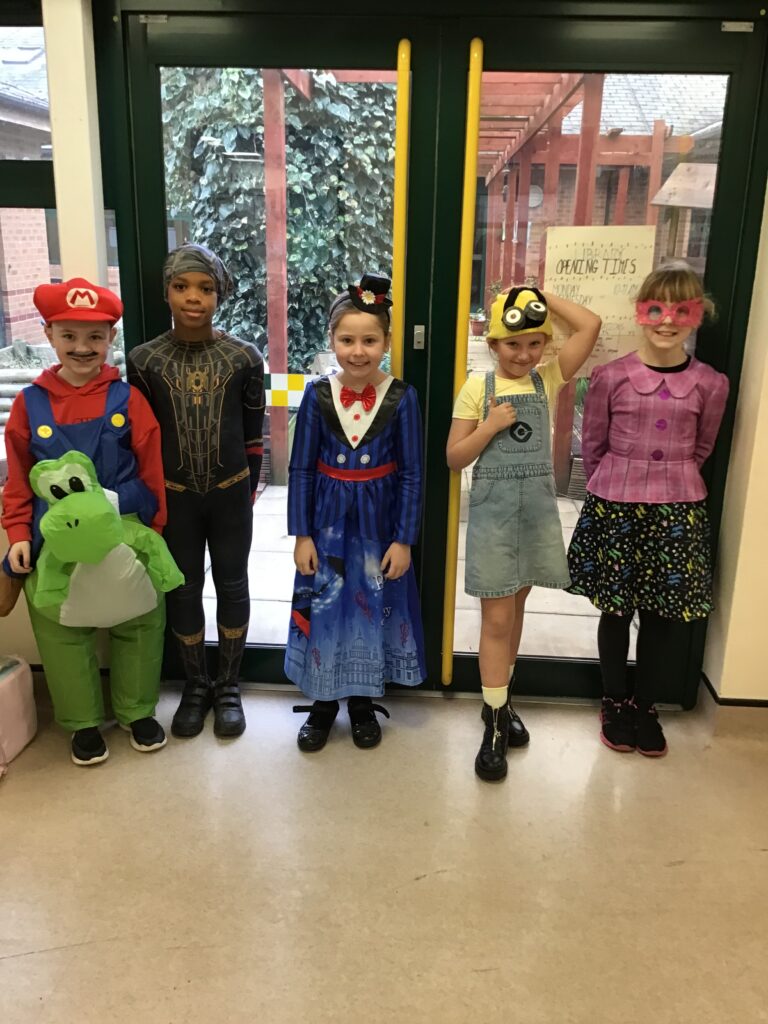
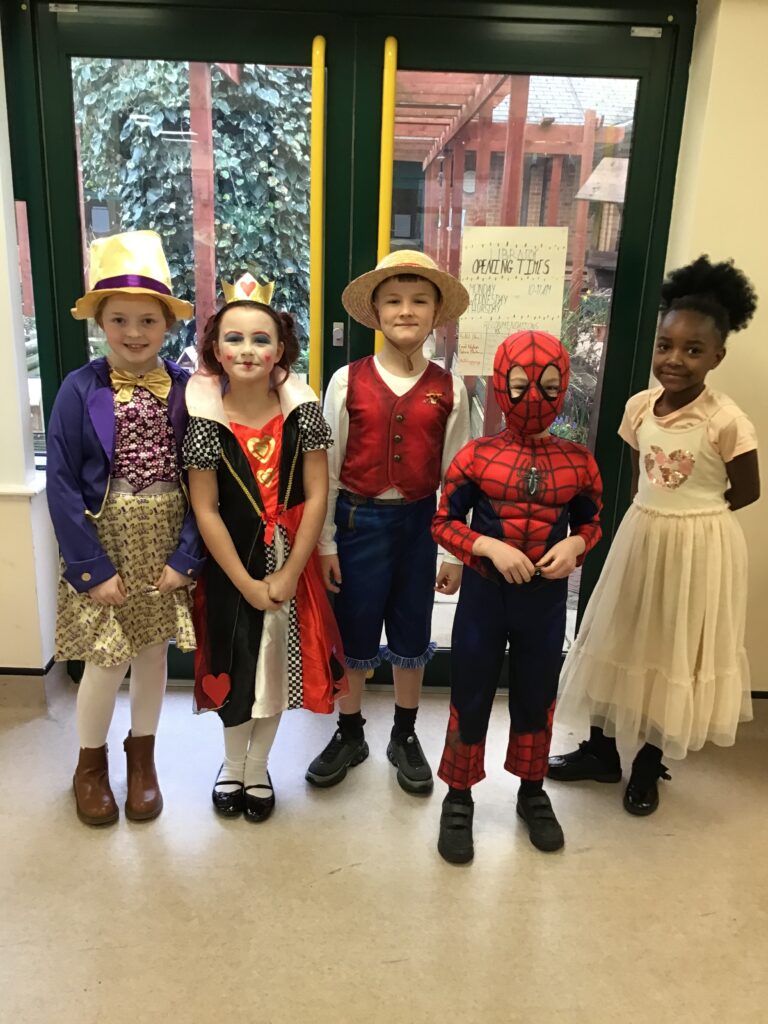
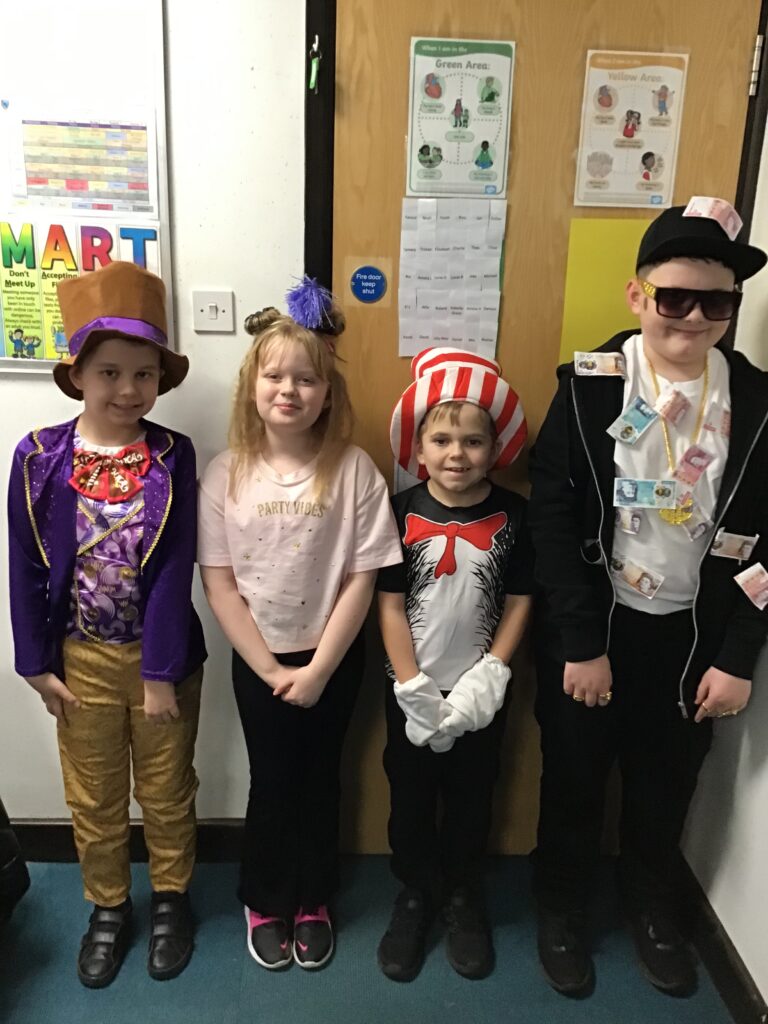
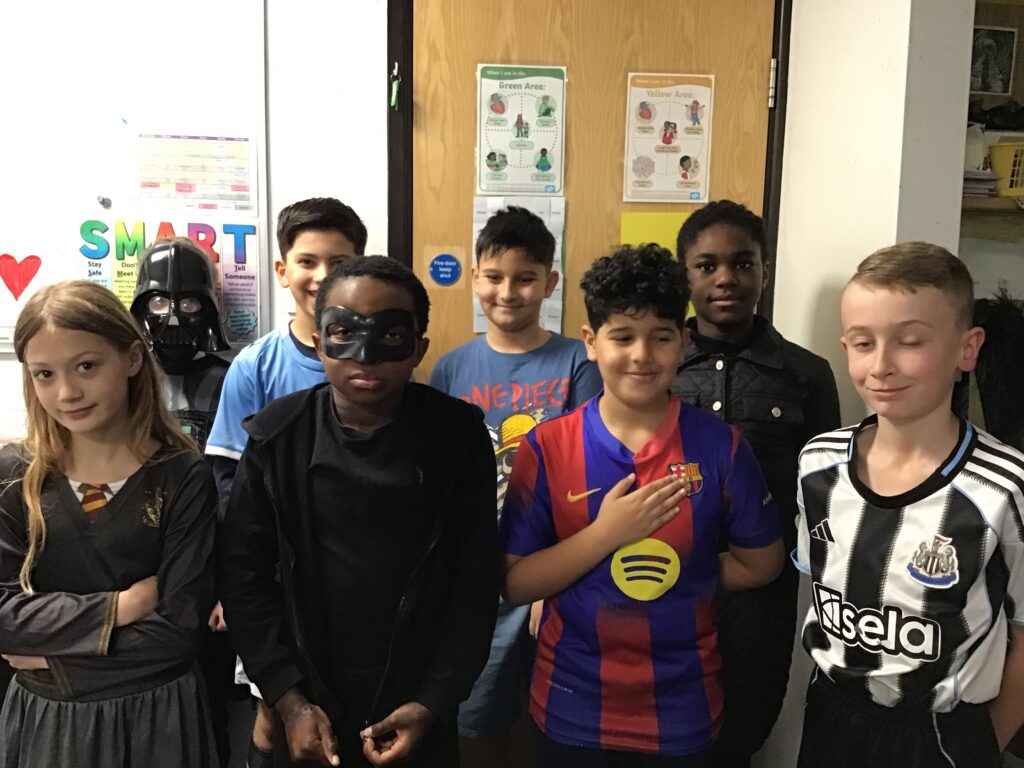
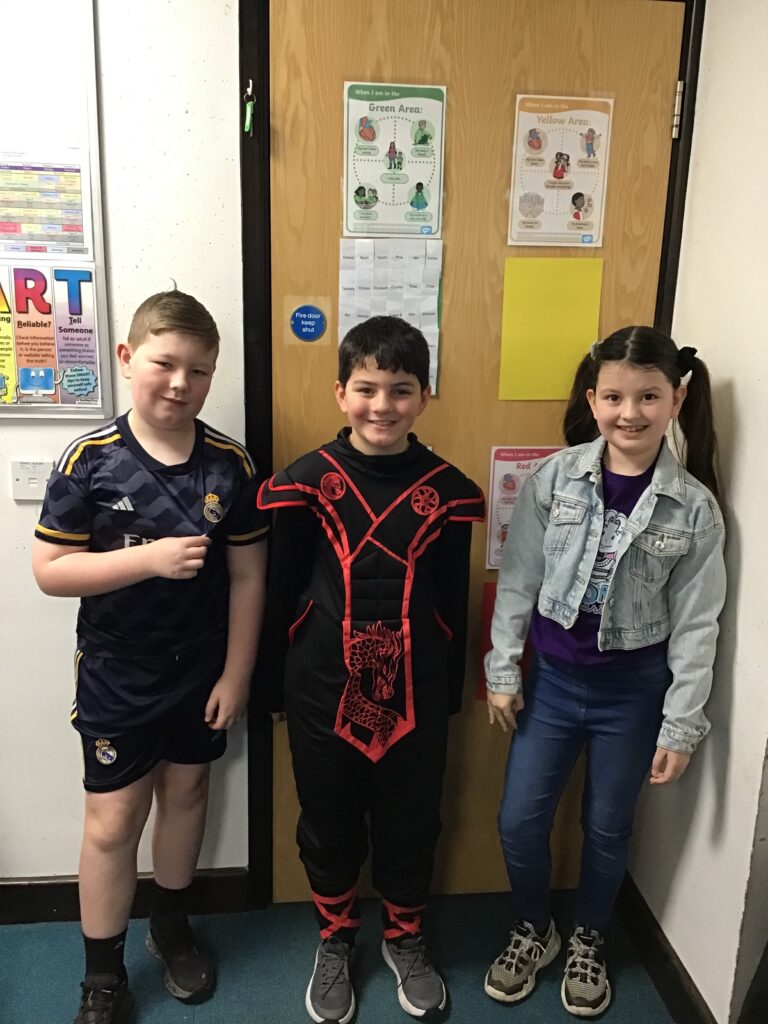
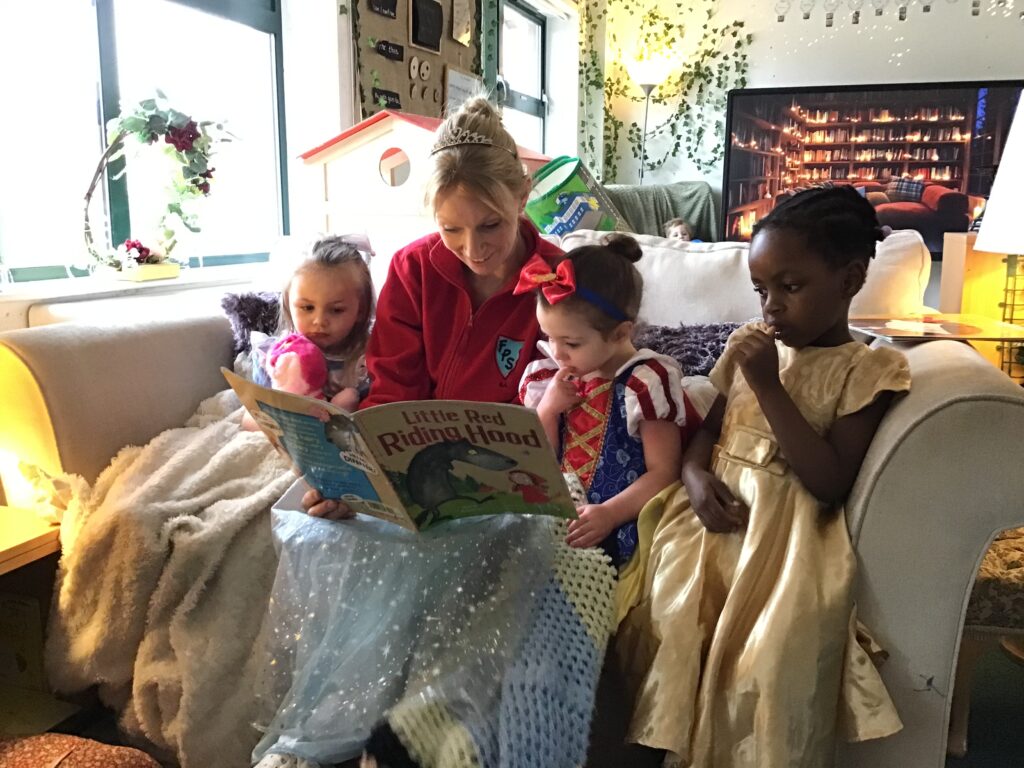
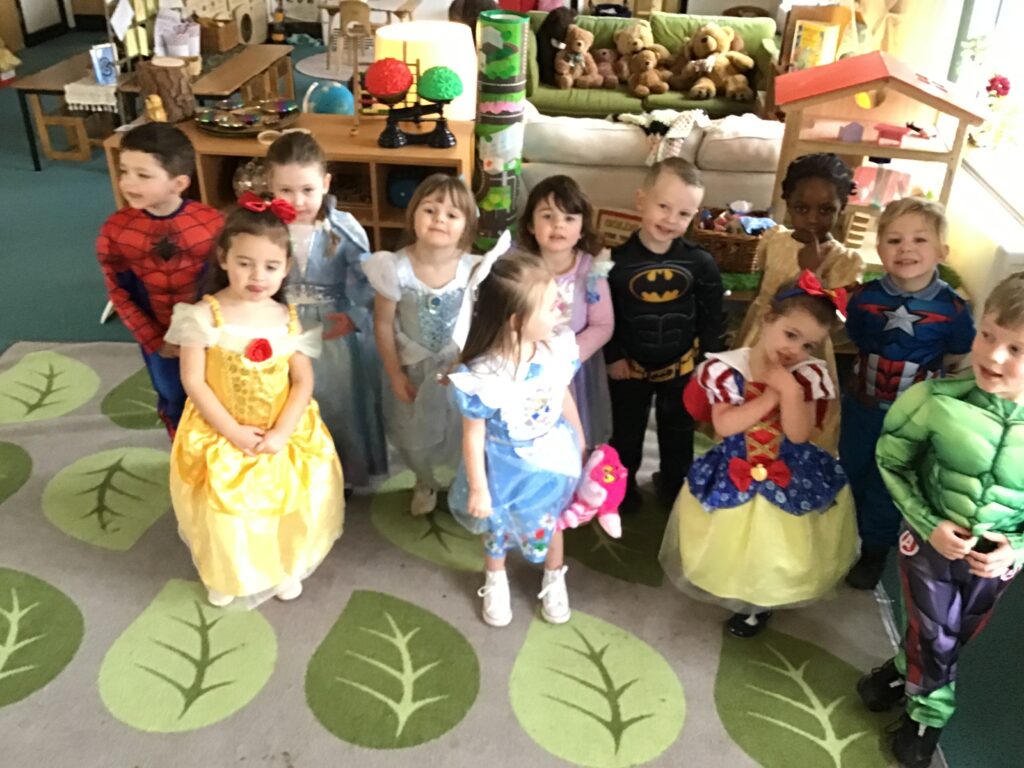
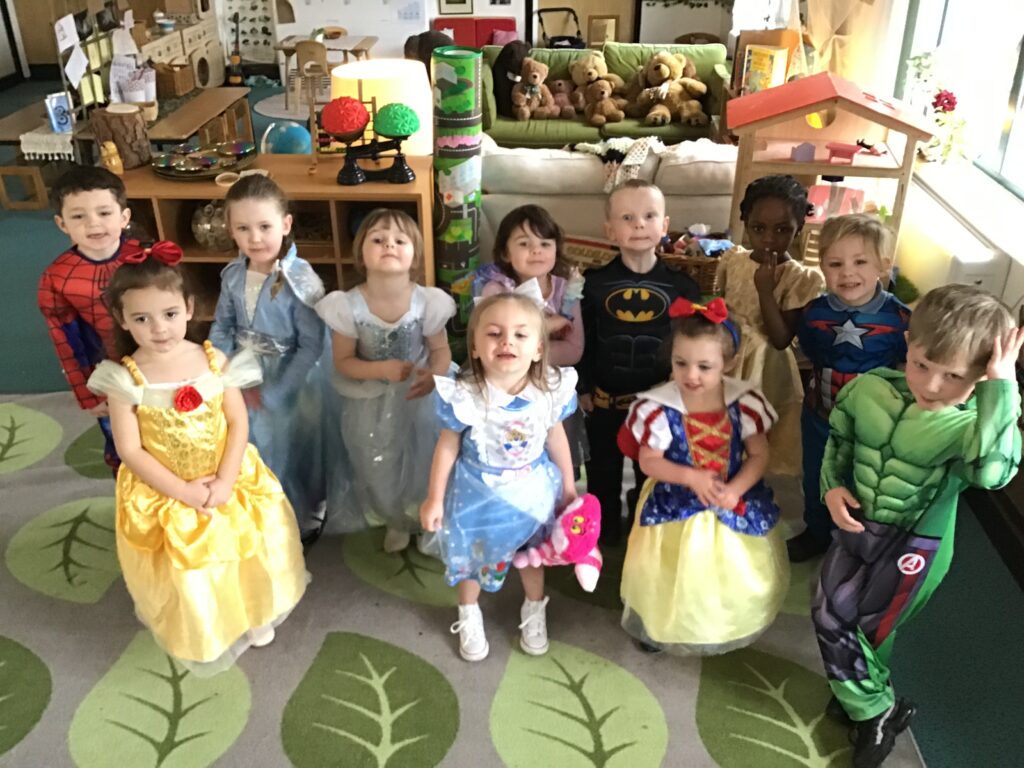
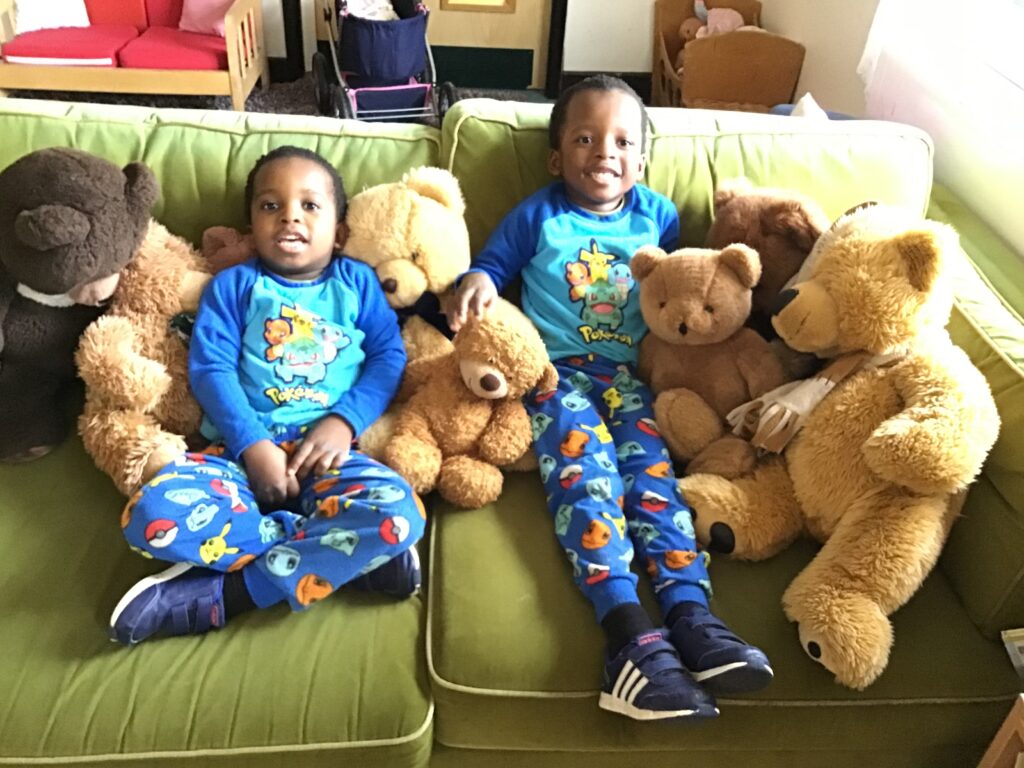
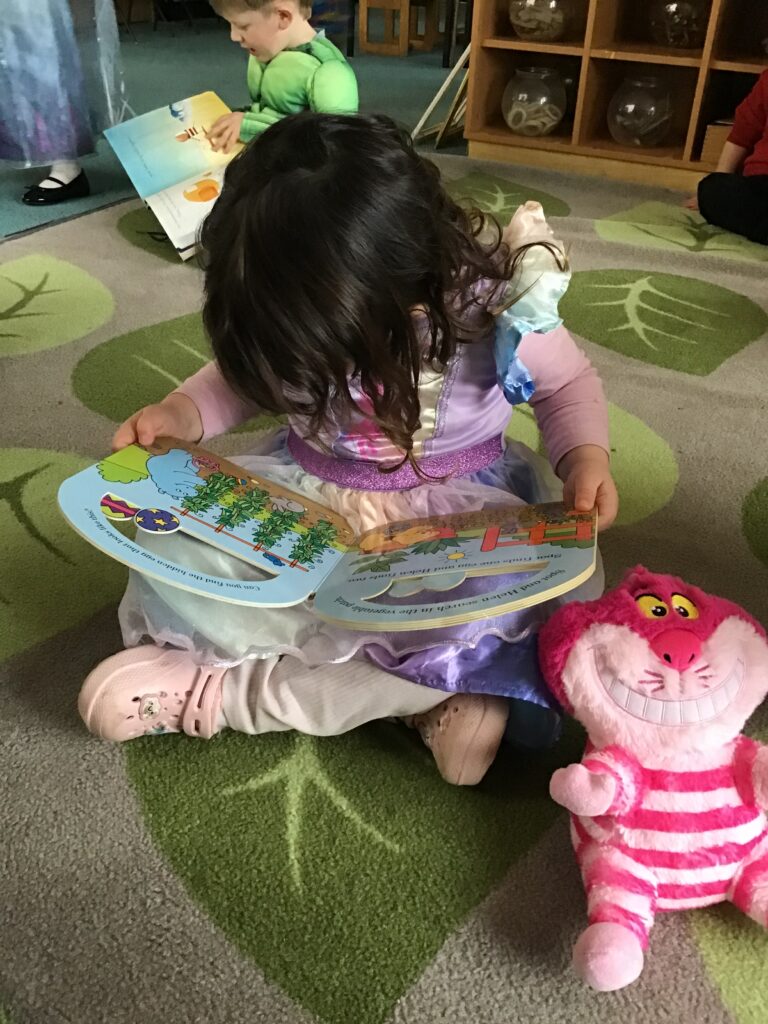
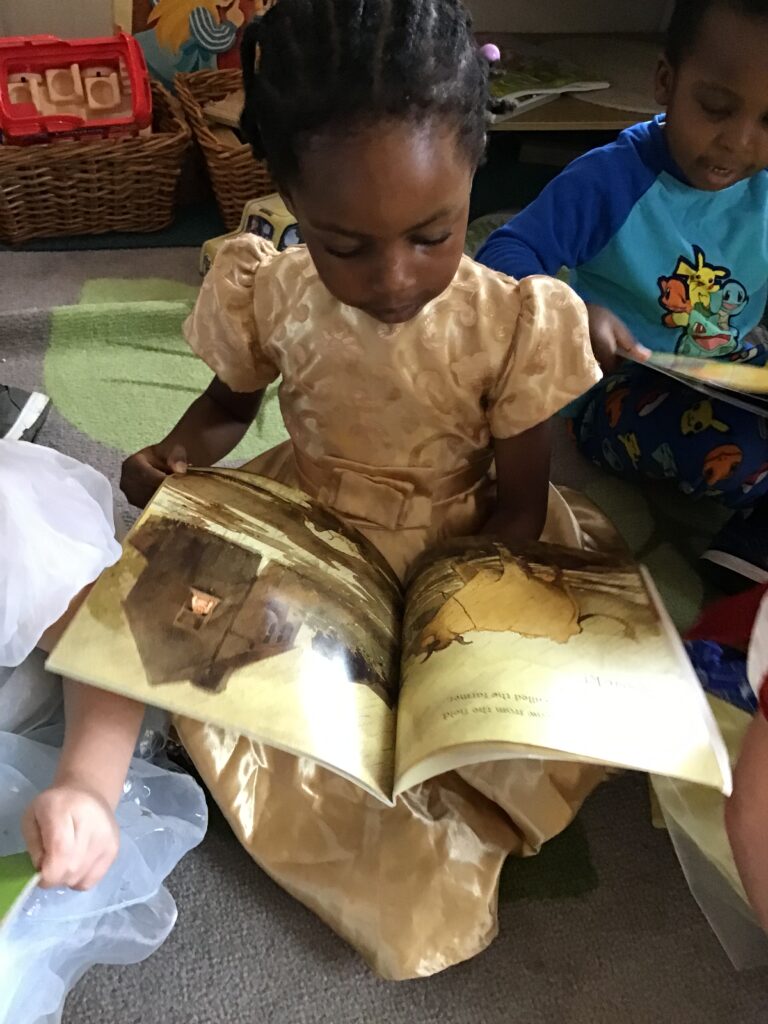
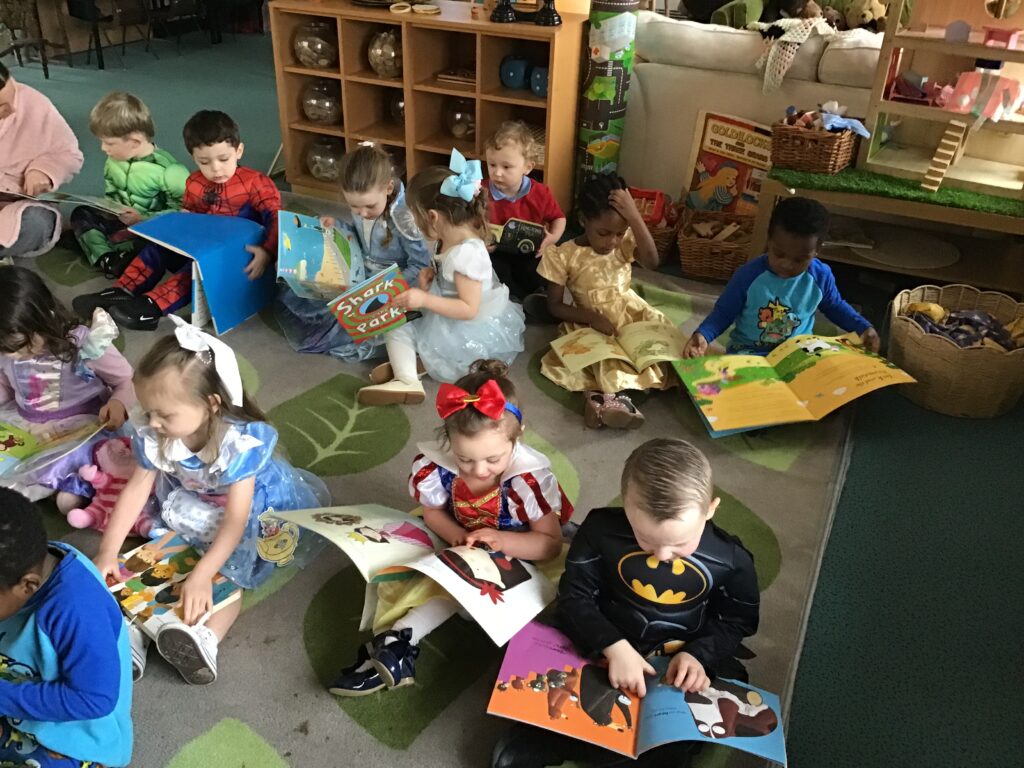
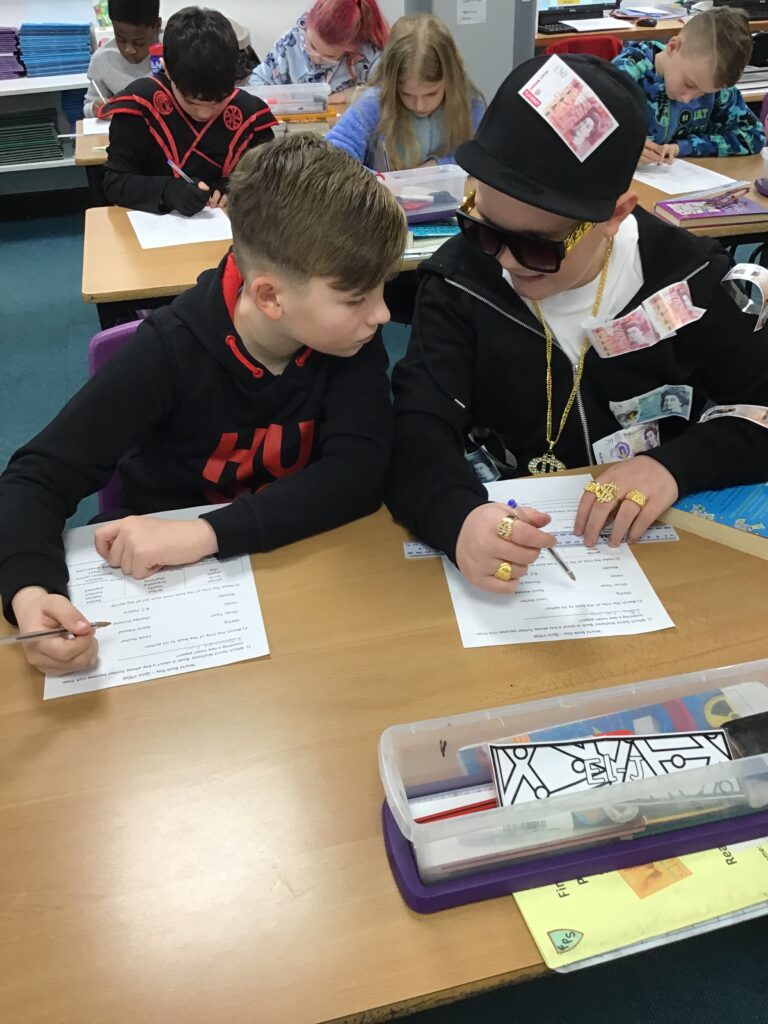
Celebrating World Book Day 2025
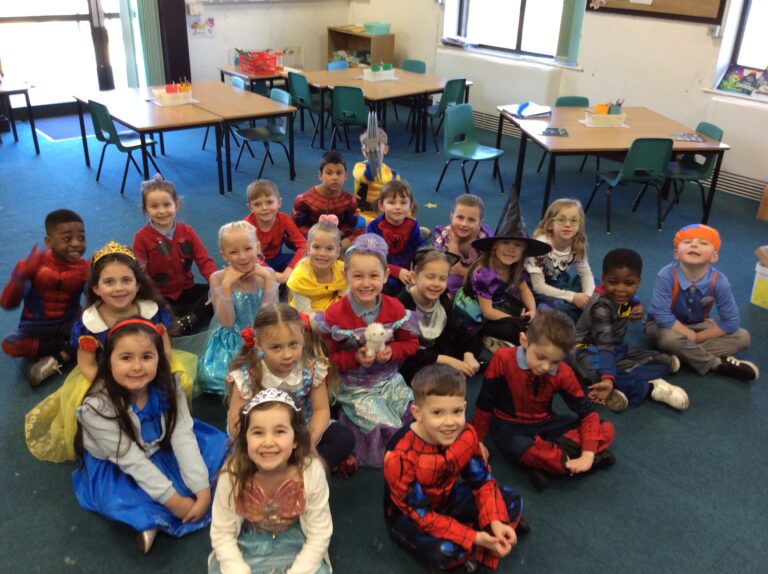
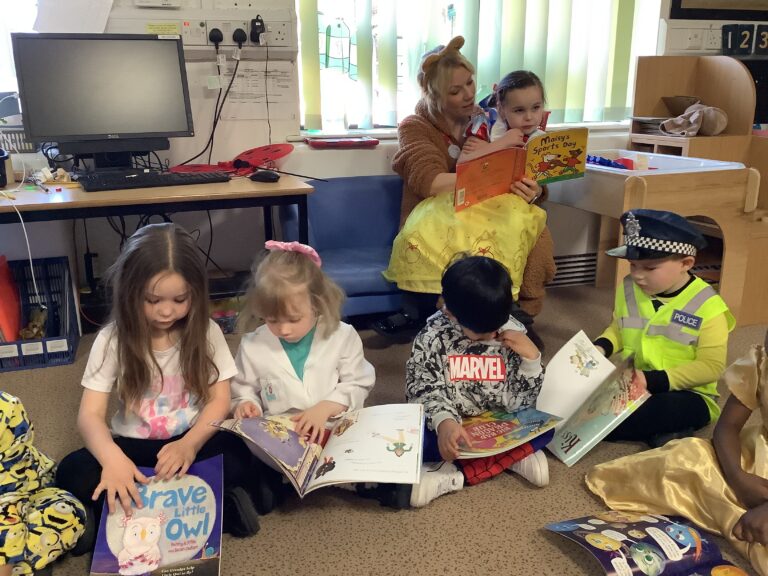
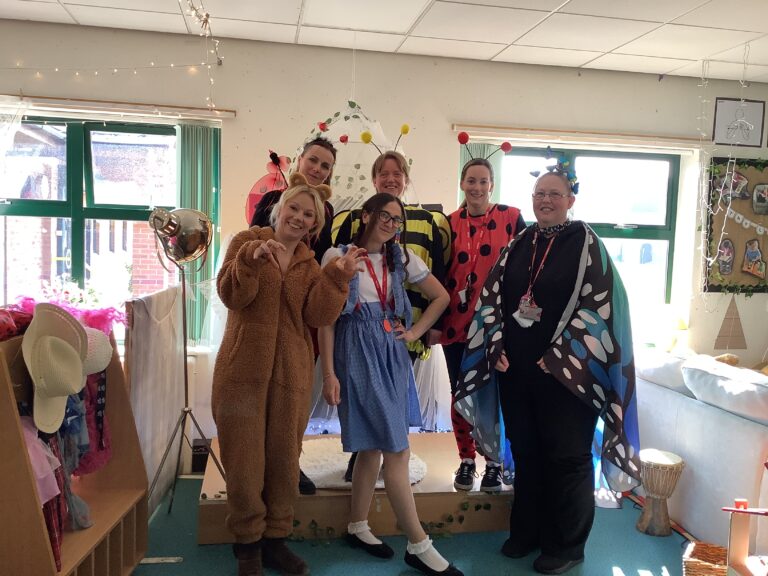
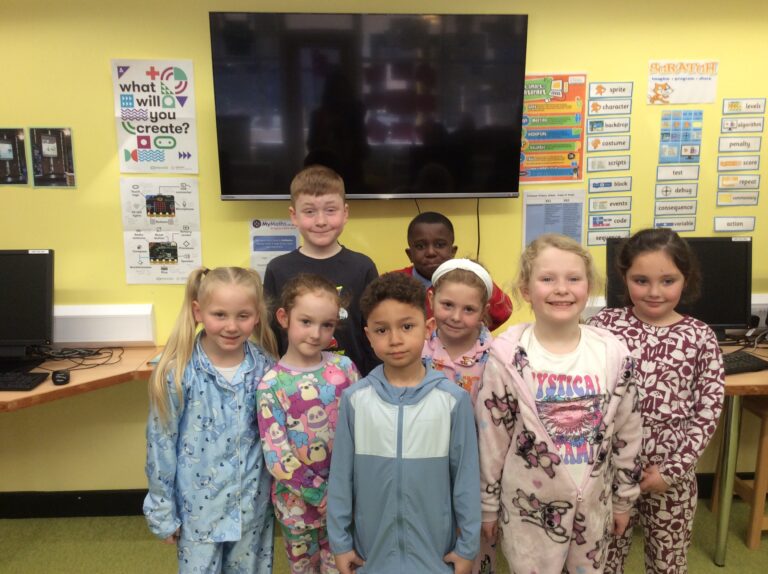
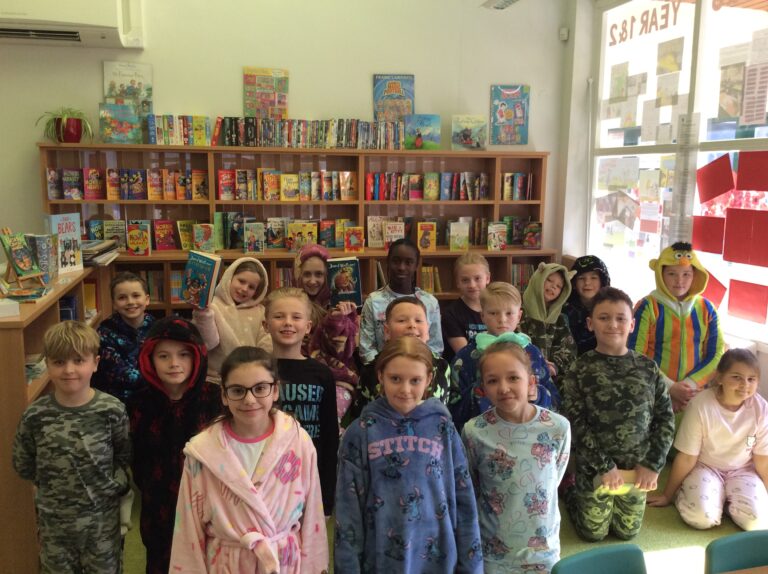
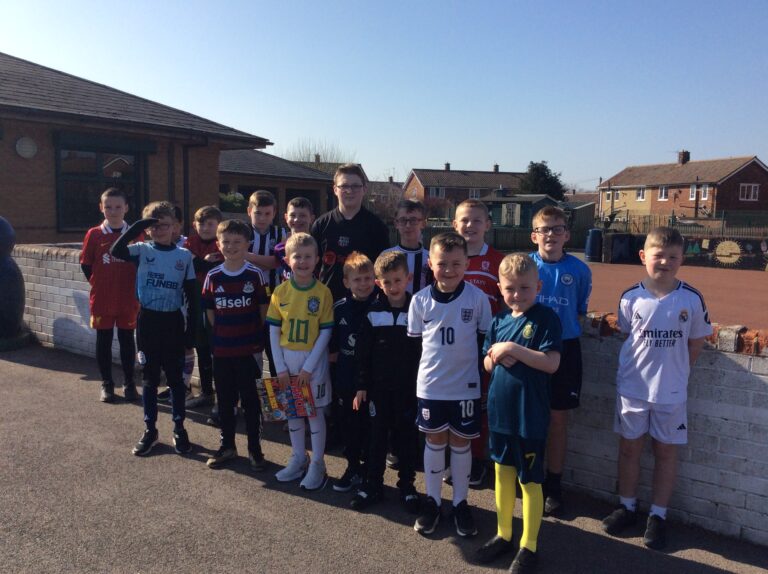
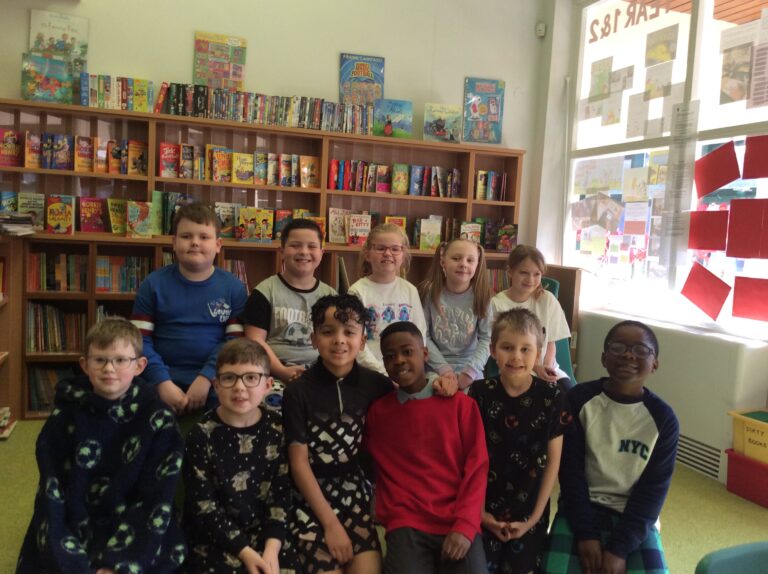
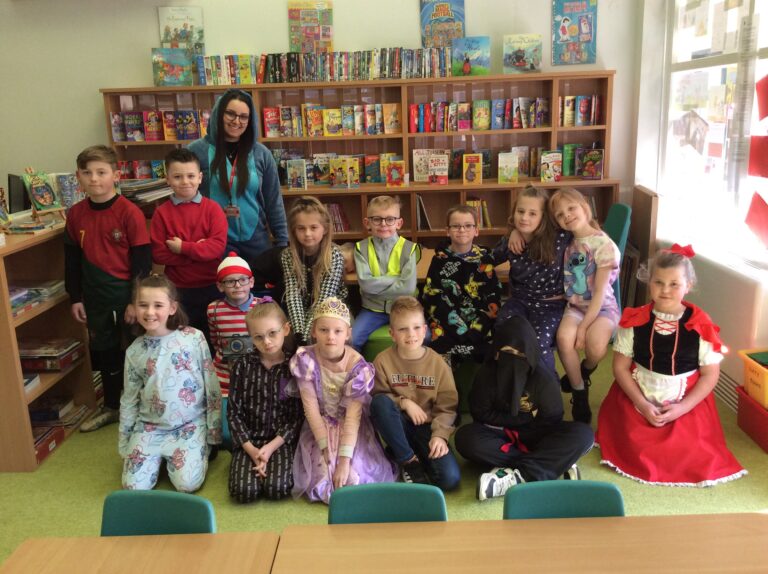
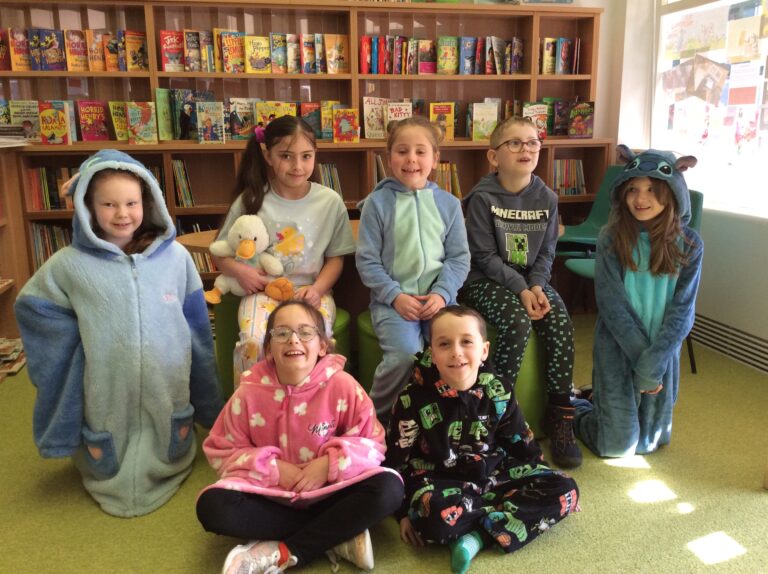
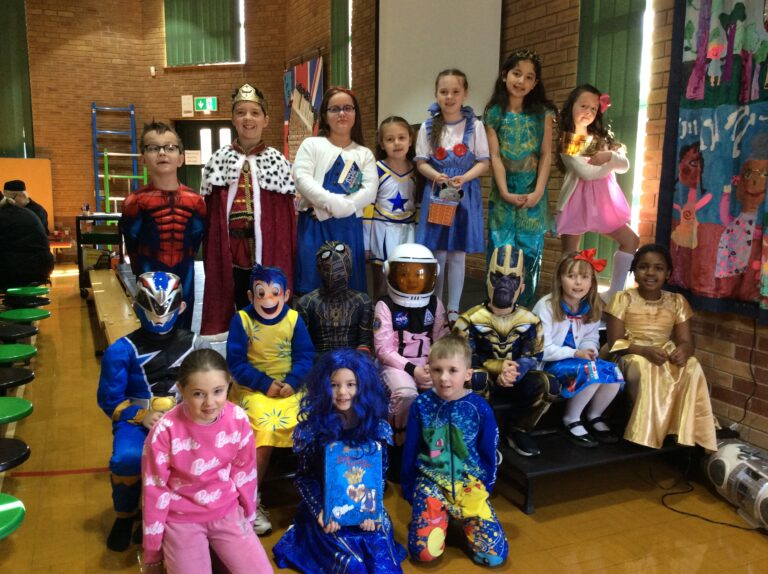
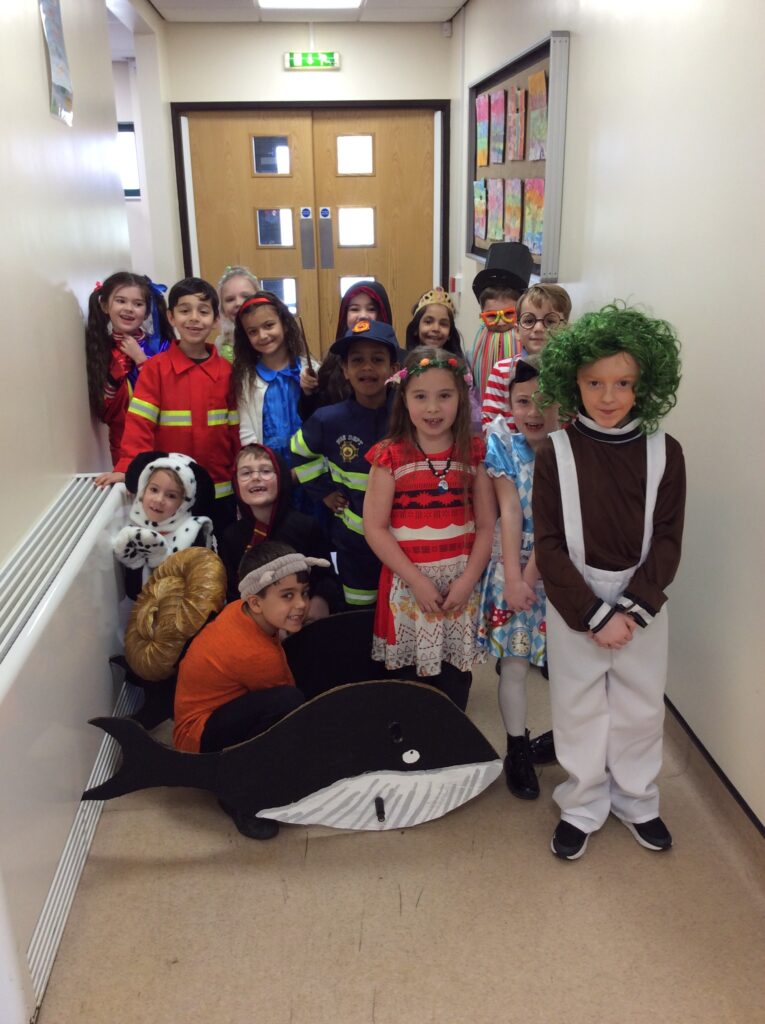
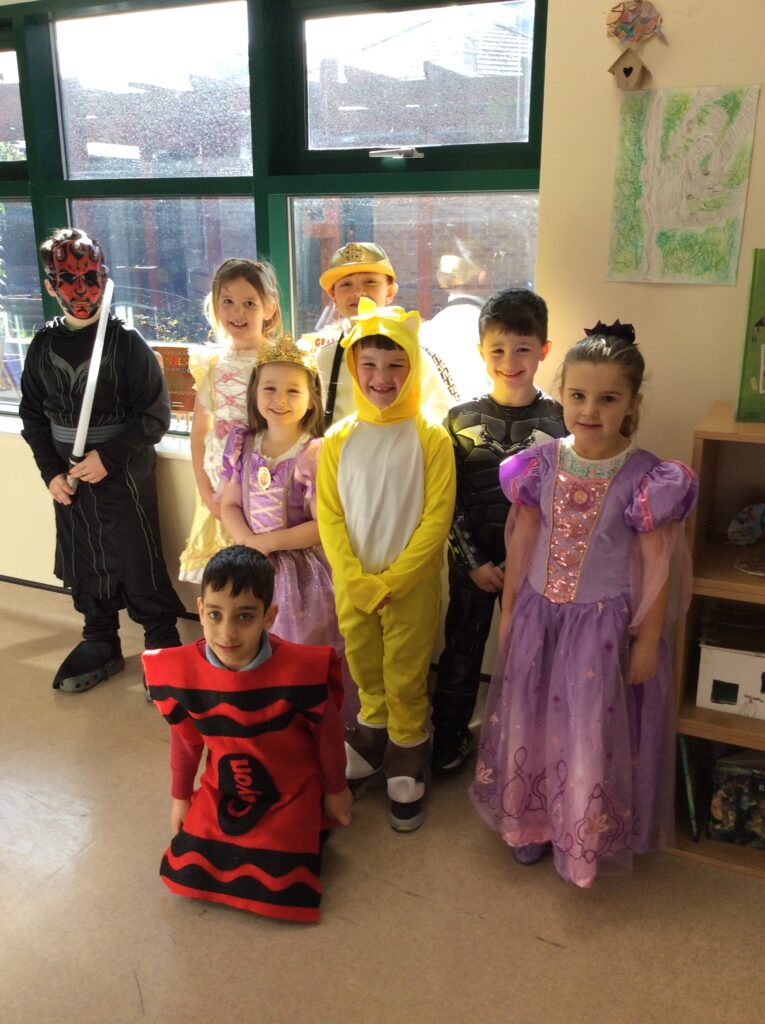
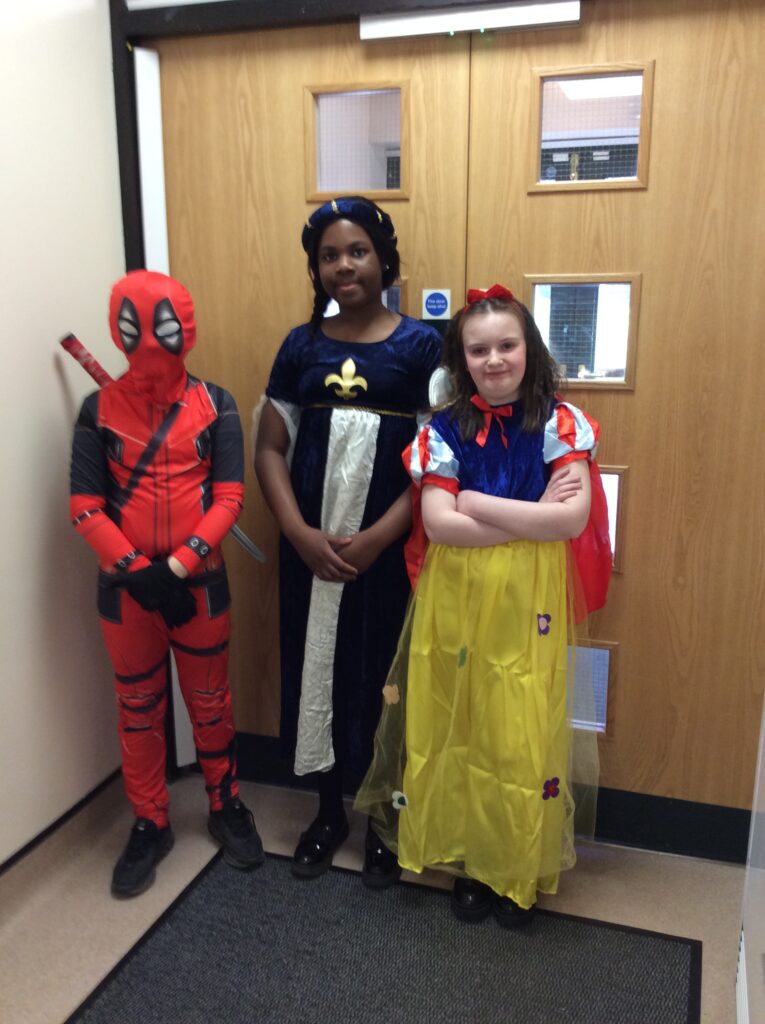
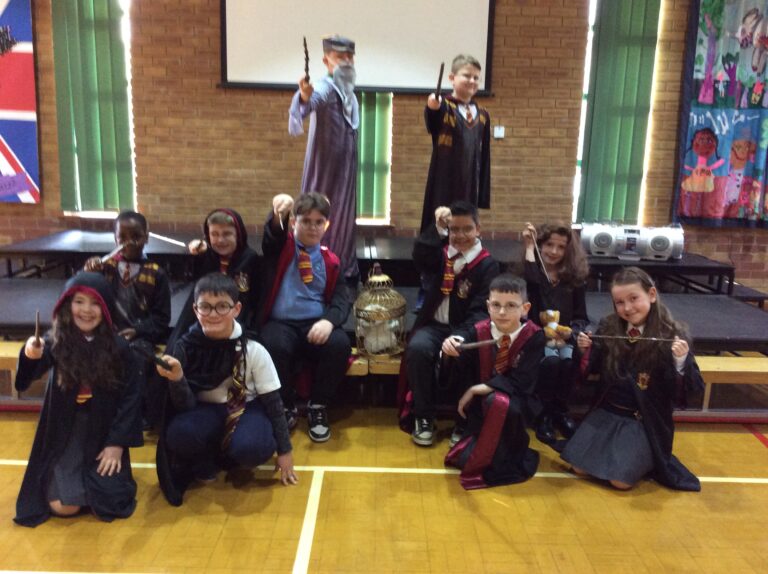
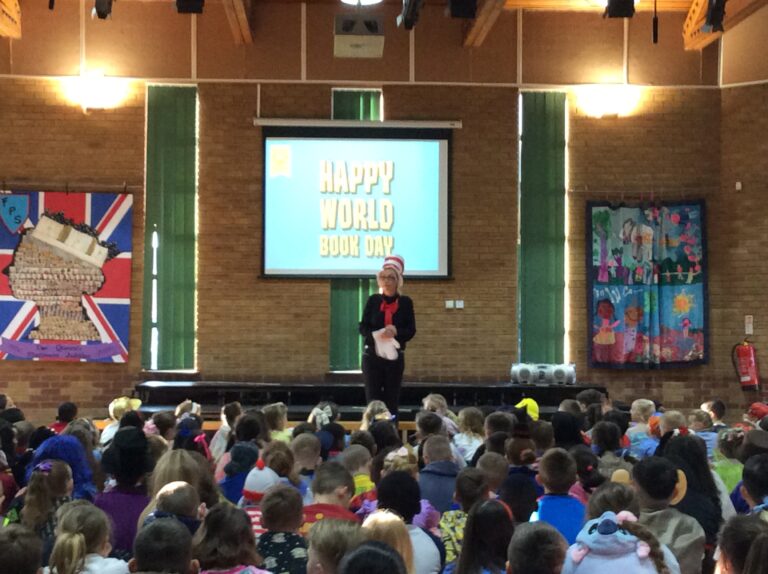
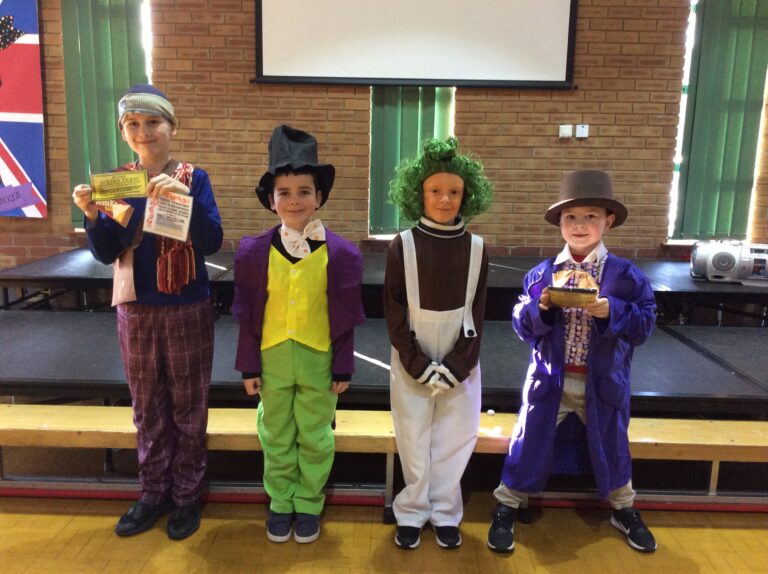
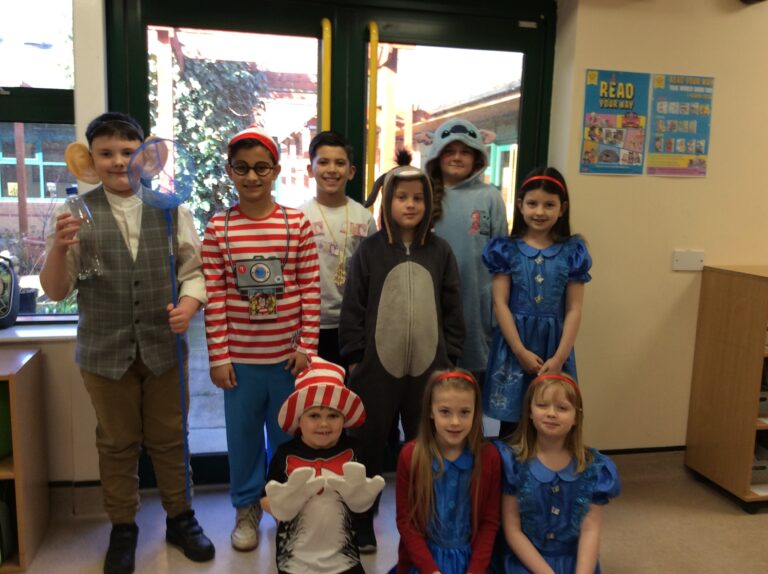
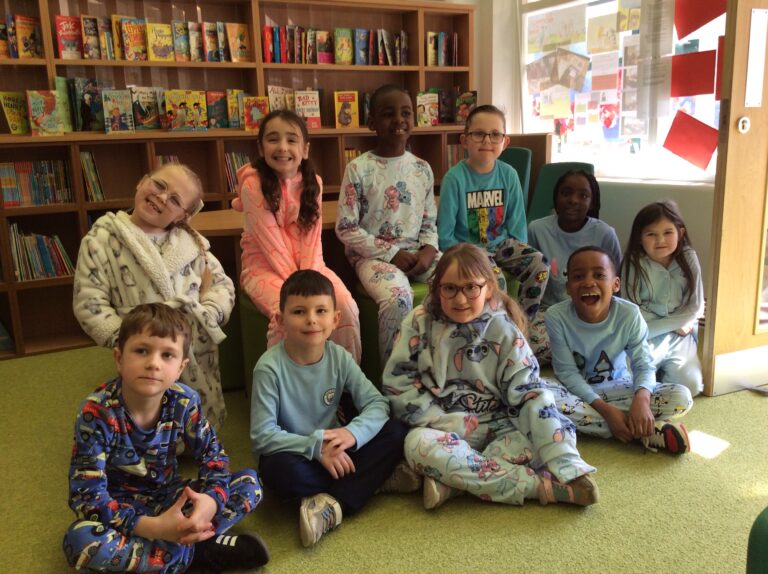
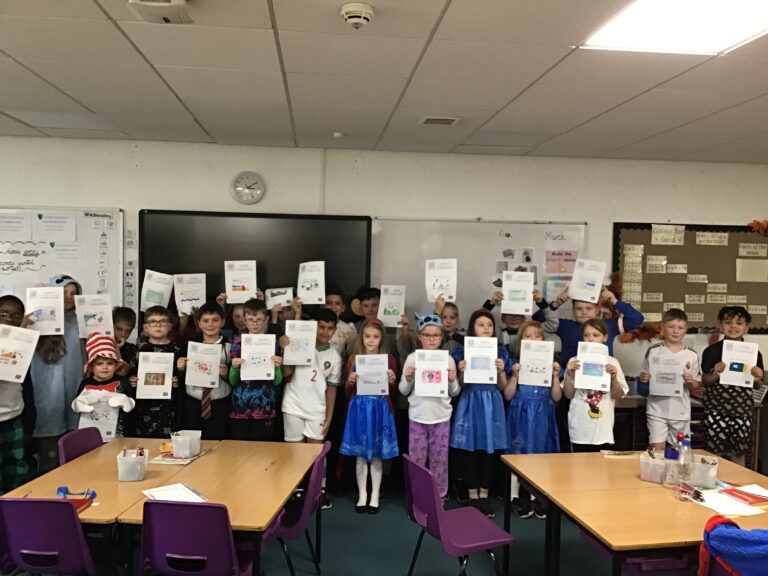
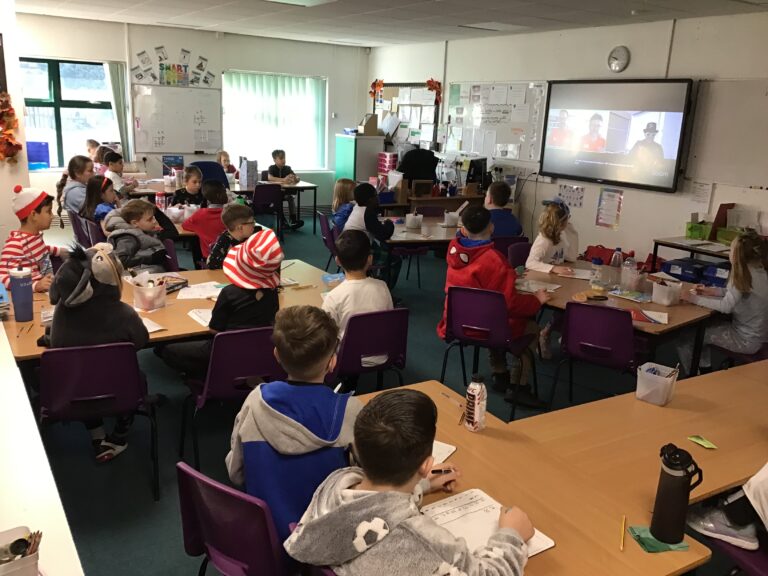
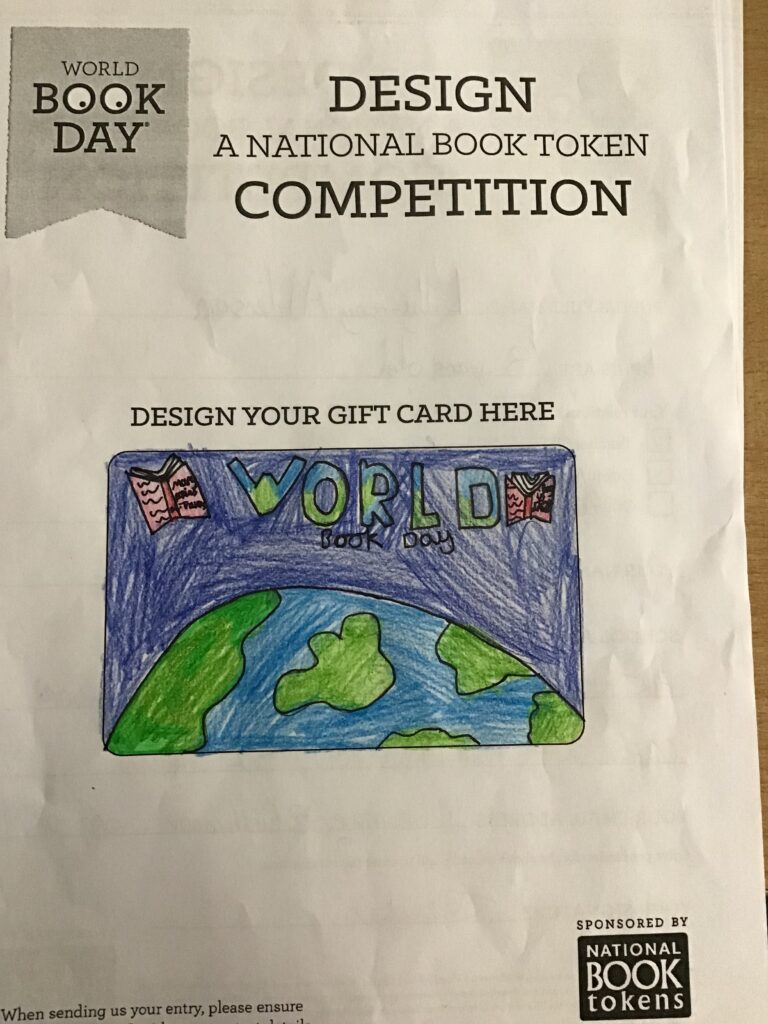
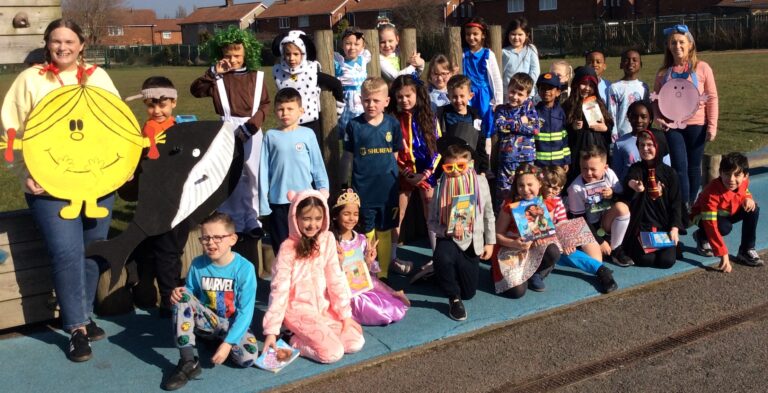
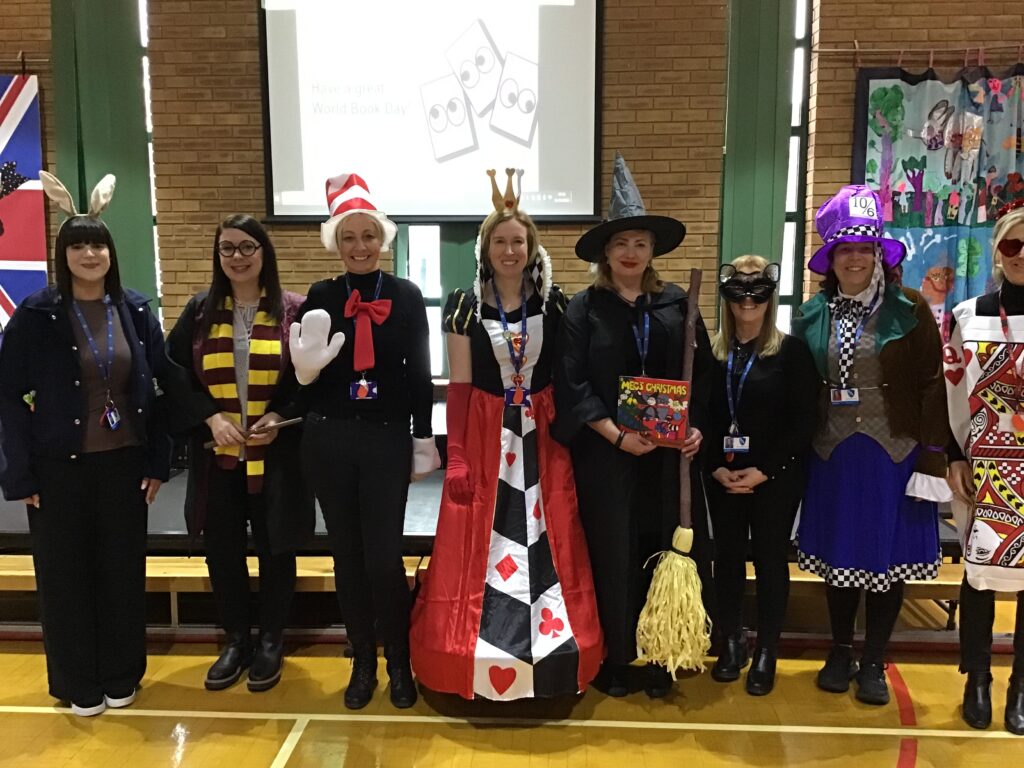
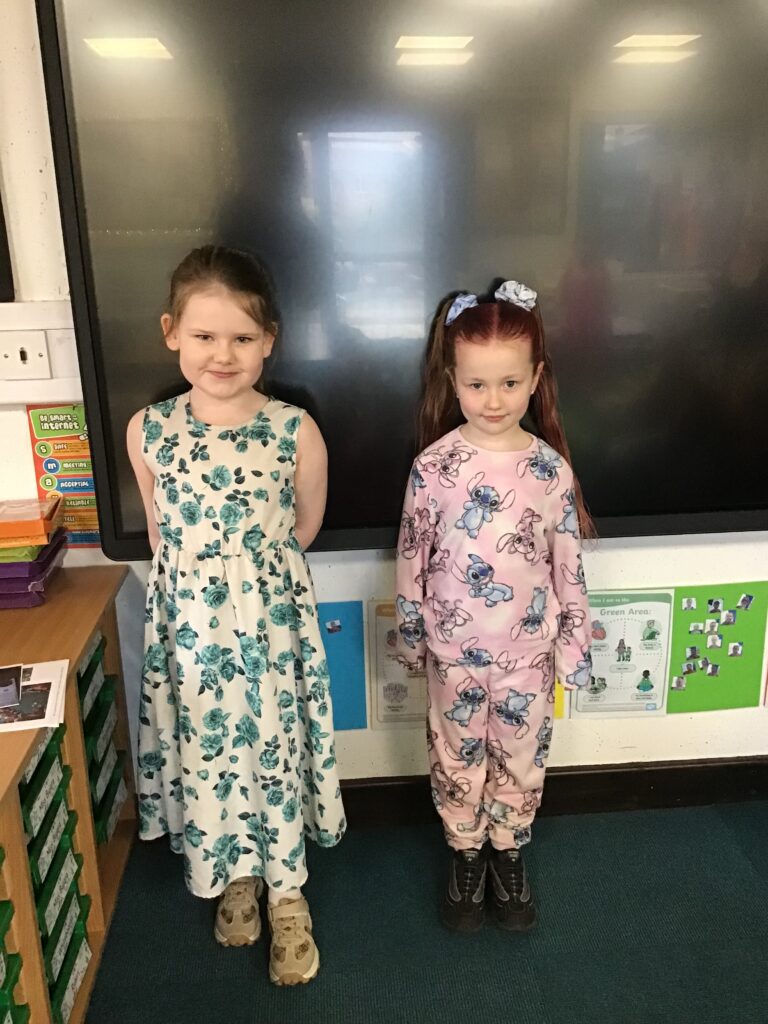
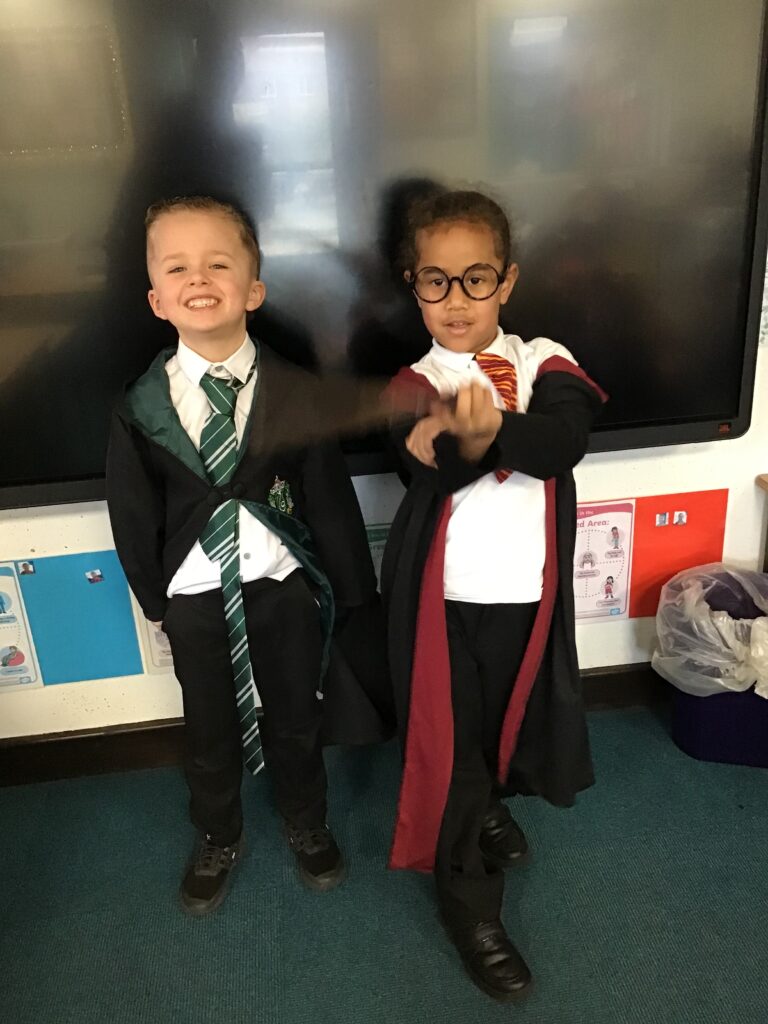
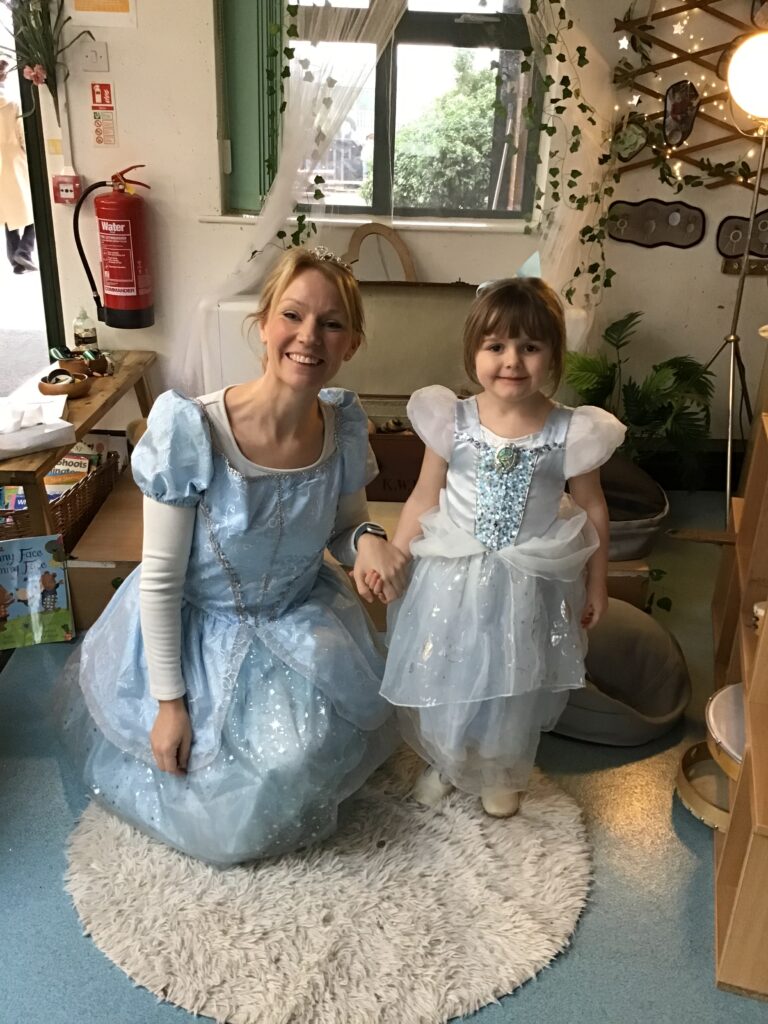
Celebrating World Book Day 2026
Writing Curriculum
Writing Intent
EYFS (Nursery & Reception)
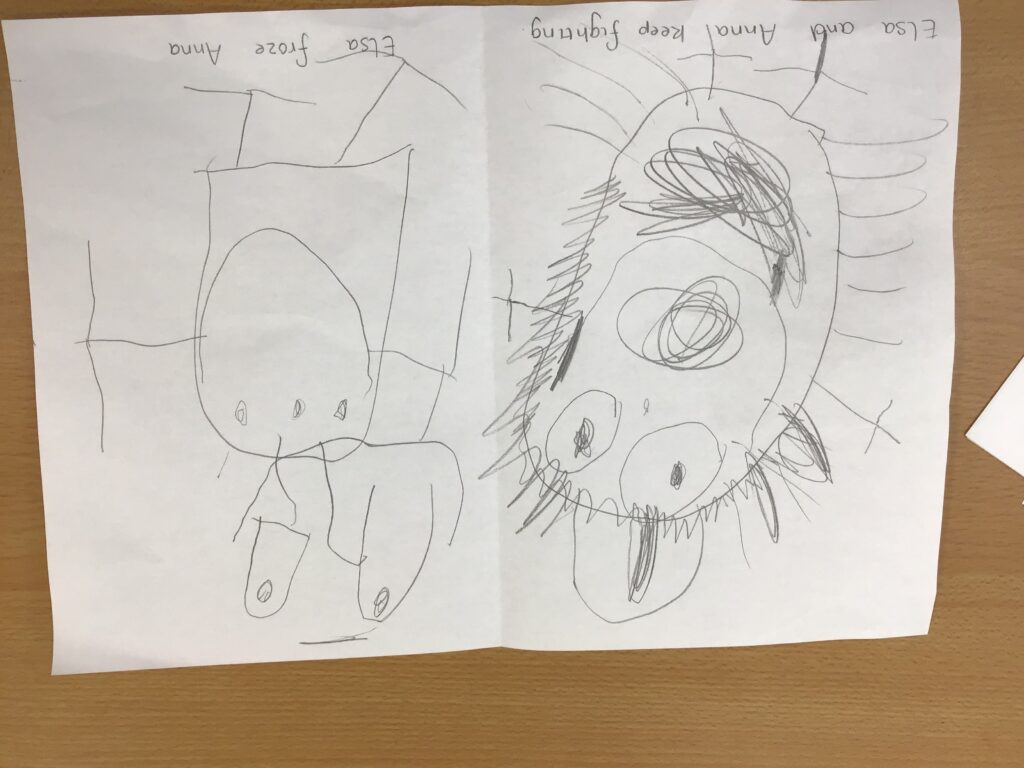
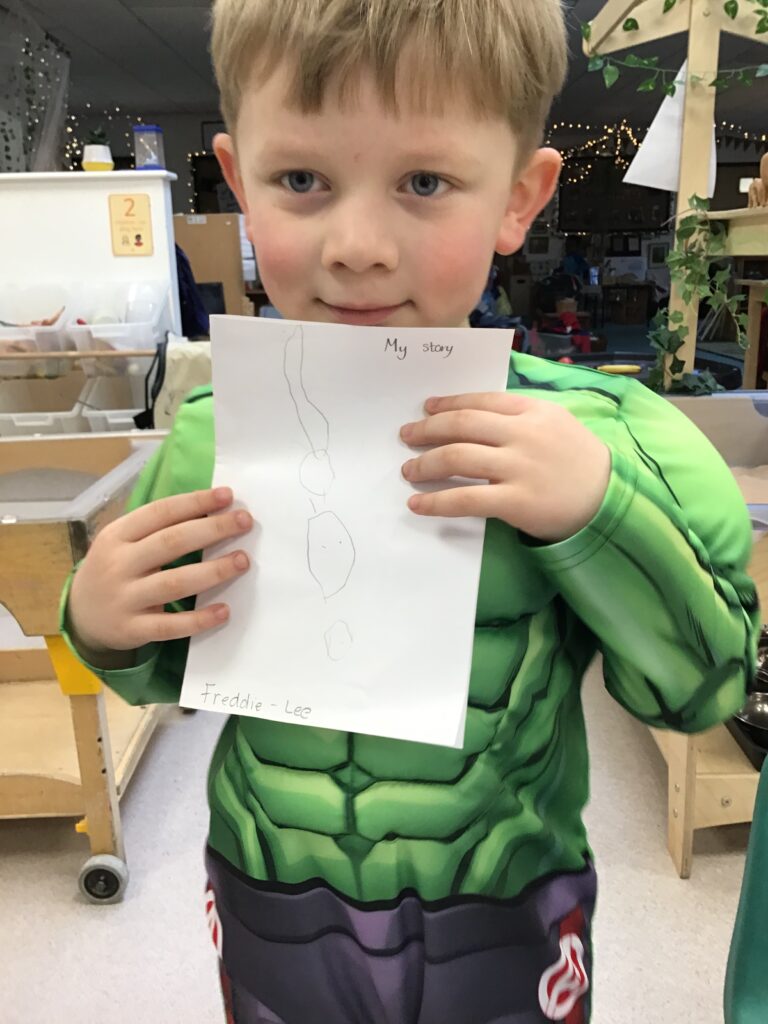
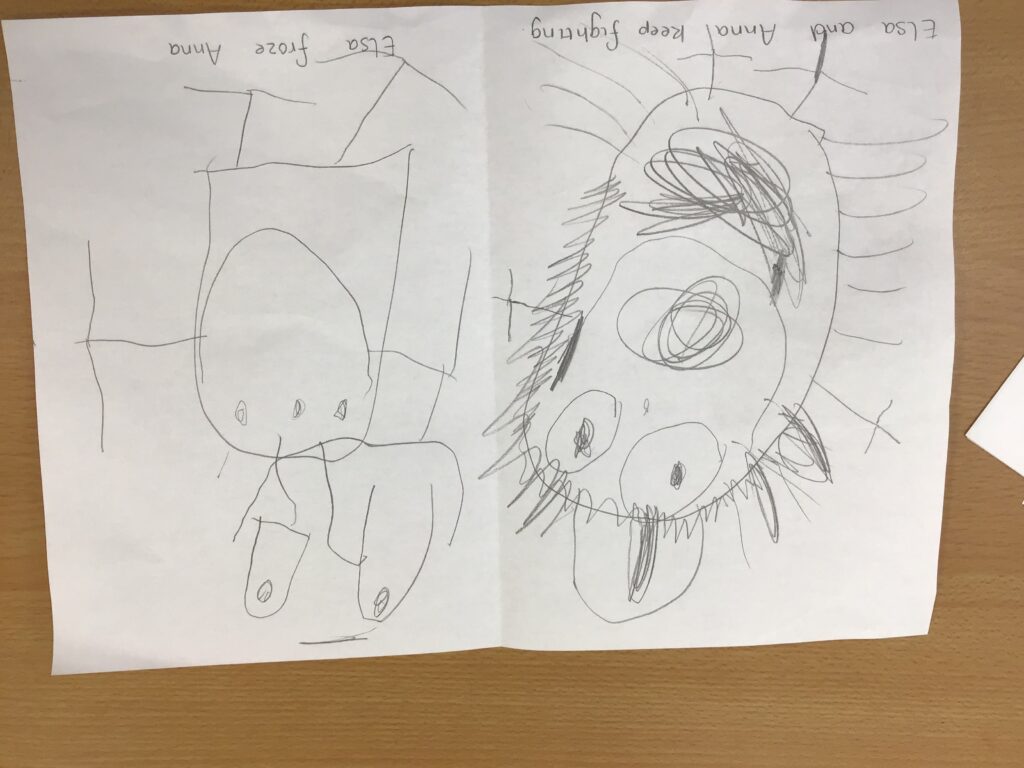
In the Early Years Foundation Stage, our writing curriculum aims to develop confident, enthusiastic early writers through meaningful, play-based and adult-led experiences. Children are encouraged to explore mark-making and emergent writing while developing fine motor skills, letter formation and early phonological awareness. High-quality texts, purposeful writing opportunities and strong adult modelling support children in expressing ideas, thoughts and experiences. We value the connection between speaking, listening, reading and writing, ensuring all children see themselves as capable writers. This approach lays a secure foundation for writing development as children progress into Key Stage 1.
Key Stage 1 (Y1 & Y2)
In Key Stage 1, our writing curriculum is designed to develop confident, fluent and purposeful writers who can express themselves clearly for a range of real-life and imaginative purposes. Building on Early Years, pupils broaden their vocabulary, strengthen spelling and handwriting, and learn to plan, draft and edit their writing with increasing independence. Through high-quality texts, engaging contexts and clear modelling, we teach writing structures and grammar progressively. We aim for all pupils to transfer skills across subjects, deepen their understanding of audience and purpose, and foster enjoyment and resilience in writing as they prepare for Key Stage 2.
Key Stage 2 (Y3-Y6)
In Key Stage 2, our writing curriculum aims to develop skilled, creative and confident writers who can write with clarity, accuracy and purpose across a range of genres. Pupils build on prior learning to strengthen vocabulary, grammar, spelling and punctuation, and deepen understanding of text structures. Through high-quality texts, meaningful writing tasks and explicit teaching of planning, drafting and editing, pupils learn to refine and adapt their writing for different audiences and purposes. We encourage independence, resilience and critical reflection, enabling pupils to transfer writing skills across the curriculum and prepare for successful transition to secondary education.
Writing Implementation
Writing Process
Speaking & Listening/Oracy
We view the development of good speaking and listening skills as a priority in ensuring that our pupils become effective communicators.
Speaking and listening is embedded throughout every year group. Children are taught the characteristics of good speaking and listening. Participation in lessons, assemblies and whole school productions provides further opportunities for our pupils to develop good speaking and listening skills in front of a wider audience.
Spelling
Spelling is linked with Little Wandle phonic teaching in EYFS and KS1.
The word-lists for years 3 and 4 and years 5 and 6 are statutory and are taught within the four years of key stage 2.
The links below detail the statutory spelling rules for each year group and are taught alongside the statutory word lists.
